
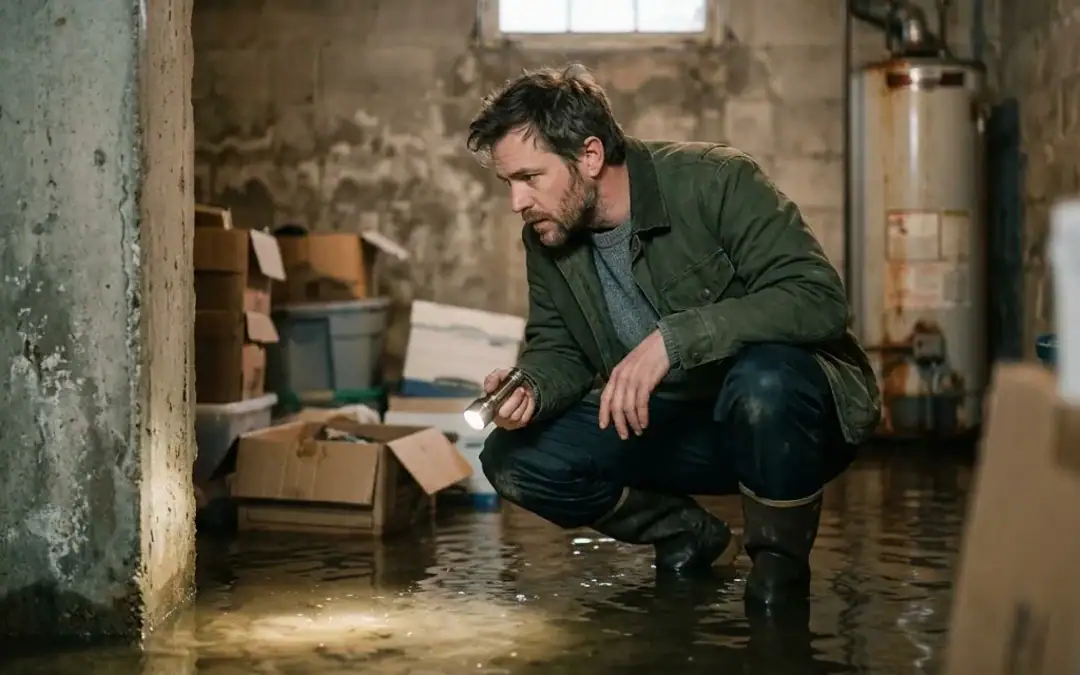
Walking downstairs to find your basement underwater is enough to make any homeowner panic. Whether the flooding was caused by heavy rain, a burst pipe, a failed sump pump, or a sewer backup, it’s natural to want to start cleaning up immediately.
However, your first few decisions can make a significant difference. Acting too quickly—or overlooking potential hazards—can put your safety at risk and lead to more extensive property damage. Knowing what to do first can help you protect your home, preserve your belongings, and make the recovery process much smoother.
Step 1: Don’t Enter the Basement Until It’s Safe
Your safety should always come before protecting your property.
Standing water can create several hazards, including:
- Electrical shock
- Structural damage
- Contaminated water
- Slippery surfaces
- Hidden debris
If water has reached electrical outlets, appliances, or your home’s electrical panel, avoid entering the basement until the power has been shut off safely. If you’re unsure whether it’s safe, wait for guidance from your utility provider or a qualified electrician.
Step 2: Identify Where the Water Came From
Understanding the source of the flooding helps determine the safest next steps.
Common causes include:
- Heavy rainfall
- Foundation seepage
- Burst or leaking pipes
- Failed sump pumps
- Overflowing appliances
- Sewer backups
If the flooding is caused by an active plumbing leak, turn off the main water supply if it’s safe to do so. If the water is entering from outside during severe weather, avoid attempting repairs until conditions improve.
Step 3: Document the Damage Before Cleaning Up
Before moving furniture or removing water, take time to document the damage.
Photograph or record:
- Water levels
- Damaged walls and flooring
- Furniture and personal belongings
- Appliances
- Storage areas
- Any visible source of the water
These records can be valuable if you need to file an insurance claim later.
Step 4: Remove Valuable Items If You Can Do So Safely
Once the area is safe to enter, move important belongings out of standing water whenever possible.
Prioritize items such as:
- Family photographs
- Important documents
- Electronics
- Valuables
- Furniture that can be safely relocated
If an item has been exposed to contaminated floodwater, avoid handling it without appropriate protective equipment.
Step 5: Begin Removing Standing Water
The longer water remains inside your basement, the more damage it can cause.
Standing water can soak into:
- Drywall
- Flooring
- Wood framing
- Insulation
- Furniture
- Stored belongings
Prompt water removal helps limit the amount of moisture absorbed into these materials and can reduce the likelihood of more extensive repairs later.
Step 6: Dry the Basement Thoroughly
Removing standing water is only part of the recovery process.
Moisture often remains trapped inside walls, subfloors, insulation, and other structural materials long after the visible water has been removed.
Professional water damage restoration focuses on identifying and drying hidden moisture to help prevent structural damage and reduce the risk of mold growth.
Step 7: Watch for Signs of Mold
Basements naturally have higher humidity levels than other parts of the home, making them especially vulnerable to mold after flooding.
Over the next several days, watch for:
- Musty odors
- Discoloration on walls or ceilings
- Peeling paint
- Damp building materials
- Allergy-like symptoms that worsen indoors
If mold begins developing, early mold removal is typically more effective than waiting for the problem to spread.
Step 8: Inspect the Cause Before Making Repairs
Cleaning up the damage without addressing the source can lead to the same problem happening again.
Depending on what caused the flooding, you may need to:
- Repair a plumbing leak.
- Service or replace a sump pump.
- Improve exterior drainage.
- Seal foundation cracks.
- Schedule a roofing consultation if water entered through the roof and eventually reached the basement.
Identifying the underlying cause helps protect your home from future water damage.
Common Basement Flooding Mistakes to Avoid
During cleanup, homeowners often make well-intentioned mistakes that can make the situation worse.
Try to avoid:
- Entering a flooded basement before confirming it’s safe.
- Waiting several days before removing water.
- Assuming the basement is dry because the floor is no longer wet.
- Throwing away damaged belongings before documenting them.
- Covering up water-damaged materials before they’re completely dry.
Taking a little extra time to do things properly can prevent much larger problems later.
How Can You Help Prevent Future Basement Flooding?
While not every flood can be prevented, routine maintenance can significantly reduce your risk.
Consider these preventative measures:
- Test your sump pump regularly.
- Keep gutters and downspouts clear.
- Make sure water drains away from your foundation.
- Inspect basement walls for cracks.
- Replace aging plumbing components before they fail.
- Install a battery backup for your sump pump if you live in an area prone to power outages.
Small maintenance tasks today can help you avoid major repairs in the future.
Final Thoughts
A flooded basement can be overwhelming, but responding quickly and safely can make a significant difference in the outcome. Prioritizing safety, documenting the damage, removing standing water, and thoroughly drying the affected areas are all important steps toward protecting your home from long-term problems.
Because moisture often remains hidden beneath flooring and behind walls, professional water damage restoration goes beyond surface cleanup to help prevent structural damage and mold growth. If your basement has flooded, contact us today for a professional assessment and let us help you restore your home before the damage has a chance to spread.