
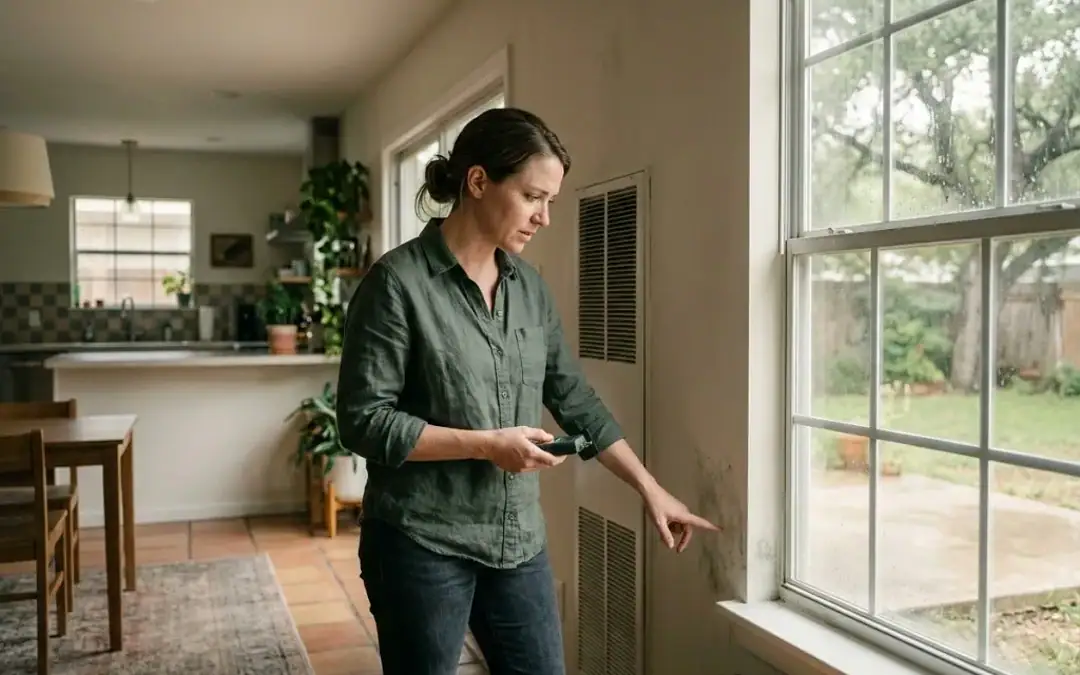
Texas homeowners are no strangers to unpredictable weather. From humid summers and heavy rainstorms to plumbing leaks and hurricane-related flooding along the Gulf Coast, homes across the state face conditions that create the perfect environment for mold growth. While mold is a common problem nationwide, Texas properties are particularly vulnerable because of the combination of climate, moisture, and building conditions.
The challenge is that mold doesn’t always announce itself with visible black spots on walls. It often develops behind drywall, beneath flooring, inside attics, crawl spaces, or HVAC systems long before homeowners realize there’s a problem. By the time mold becomes noticeable, it may have already spread to larger areas of the property.
Understanding why mold is so common in Texas homes can help you take preventative measures, recognize warning signs early, and know when professional mold remediation is necessary.
Why Texas Creates the Perfect Environment for Mold
Mold needs three things to grow:
- Moisture
- Organic material (wood, drywall, carpet, insulation, etc.)
- Moderate temperatures
Texas naturally provides all three.
Many parts of the state experience prolonged periods of high humidity, especially during spring and summer. Warm temperatures combined with excess indoor moisture allow mold spores—which are already present in the air—to settle and multiply quickly.
Unlike colder climates where indoor humidity remains relatively low for much of the year, Texas homes often battle moisture almost year-round.
High Humidity Increases Mold Risk
Humidity is one of the biggest reasons mold thrives in Texas.
When indoor humidity consistently rises above approximately 60%, moisture begins accumulating on surfaces, inside walls, and around windows. Bathrooms, laundry rooms, kitchens, and poorly ventilated spaces become ideal breeding grounds.
Common causes of excessive indoor humidity include:
- Long, hot summers
- Poor ventilation
- Inefficient air conditioning systems
- Cooking without exhaust fans
- Long hot showers
- Indoor drying of clothes
- Poor attic ventilation
Even homes without visible water leaks can develop mold if indoor humidity isn’t properly controlled.
Severe Weather Brings Hidden Water Damage
Texas experiences a wide variety of severe weather events that increase the likelihood of water intrusion, including:
- Heavy thunderstorms
- Flash flooding
- Hurricanes and tropical storms
- Hailstorms
- High winds
- Tornadoes
Even minor roof damage or damaged flashing can allow water to seep into attics and wall cavities. Since these areas aren’t inspected regularly, mold may begin growing weeks before homeowners notice any visible signs.
Storm-related water damage is one of the leading causes of mold problems across Texas.
Plumbing Leaks Often Go Undetected
Not all mold starts with a major flood.
Small plumbing leaks behind walls, under sinks, around toilets, inside ceilings, or beneath appliances may continue leaking for weeks or months before they’re discovered.
Common sources include:
- Burst pipes
- Slow pipe leaks
- Washing machine hoses
- Dishwasher connections
- Refrigerator water lines
- Water heaters
- HVAC condensate lines
Because these leaks remain hidden, moisture has plenty of time to soak building materials and encourage mold growth.
Texas Homes Often Have Hidden Moisture Problems
Many homeowners assume that if they don’t see standing water, they don’t have a moisture issue. Unfortunately, hidden moisture is extremely common.
Areas where mold frequently develops include:
- Behind drywall
- Under flooring
- Inside wall insulation
- Beneath carpets
- Inside cabinets
- Attics
- Crawl spaces
- Around windows
- HVAC ductwork
Professional restoration companies use moisture meters and thermal imaging equipment to identify moisture that cannot be seen with the naked eye.
Air Conditioning Can Contribute to Mold
Air conditioning keeps Texas homes comfortable, but improperly maintained systems can contribute to mold growth.
Potential issues include:
- Dirty evaporator coils
- Blocked condensate drains
- Leaking drain pans
- High indoor humidity
- Dirty air filters
- Mold growth inside ductwork
If your HVAC system isn’t removing humidity efficiently, mold can begin growing inside the system and spread spores throughout the home.
Routine HVAC maintenance can significantly reduce this risk.
Building Materials Can Hold Moisture
Modern homes contain numerous porous materials that readily absorb water.
Examples include:
- Drywall
- Wood framing
- Insulation
- Ceiling tiles
- Carpet padding
- Upholstery
- Particle board
- Subflooring
Once these materials become wet, they may remain damp for days if not dried properly. Mold can begin colonizing affected materials within 24 to 48 hours under favorable conditions.
Prompt drying after any water intrusion is critical to minimizing damage.
Signs Mold May Be Growing in Your Home
Visible mold isn’t always the first warning sign.
Watch for:
- Persistent musty odors
- Peeling paint
- Bubbling drywall
- Water stains
- Soft drywall
- Warped flooring
- Condensation around windows
- Increased allergy-like symptoms indoors
- Recurring moisture problems
If these signs appear after a leak or storm, it’s important to investigate promptly rather than assuming the area has dried completely.
How to Reduce the Risk of Mold in Texas Homes
While mold can’t always be prevented, homeowners can significantly lower the risk by controlling moisture.
Consider these best practices:
- Repair plumbing leaks immediately.
- Dry water-damaged materials as quickly as possible.
- Keep indoor humidity between 30% and 50%.
- Use bathroom and kitchen exhaust fans.
- Schedule regular HVAC maintenance.
- Inspect your roof after severe storms.
- Clean gutters and downspouts regularly.
- Check around windows and doors for water intrusion.
- Monitor crawl spaces and attics for excess moisture.
- Address water damage before mold has time to develop.
Preventative maintenance is often far less expensive than extensive mold remediation.
When Should You Call a Professional?
Small areas of surface mold may sometimes be cleaned safely, but larger infestations or recurring mold often indicate an underlying moisture problem that needs professional attention.
Consider contacting a restoration specialist if:
- Mold covers a large area.
- Mold returns after cleaning.
- You discover hidden water damage.
- Your home has experienced flooding.
- You notice strong musty odors without a visible source.
- Water has remained inside the home for more than 24 hours.
- Mold is growing inside HVAC systems, attics, or crawl spaces.
Professional mold remediation involves more than removing visible growth. It includes identifying the moisture source, containing affected areas, safely removing contaminated materials when necessary, thoroughly drying the property, and taking steps to help reduce the chance of future mold growth.
Final Thoughts
Texas offers many advantages for homeowners, but its warm climate, frequent storms, and high humidity also make mold a persistent concern. Even minor leaks or unnoticed moisture can create the conditions mold needs to spread, often in places that remain hidden until significant damage has occurred.
By understanding why Texas homes are more prone to mold, recognizing the early warning signs, and addressing moisture issues promptly, homeowners can protect both their property and indoor environment. If mold develops after a water intrusion or continues to return despite cleanup efforts, professional remediation can help identify the root cause and restore your home safely before the problem worsens.