
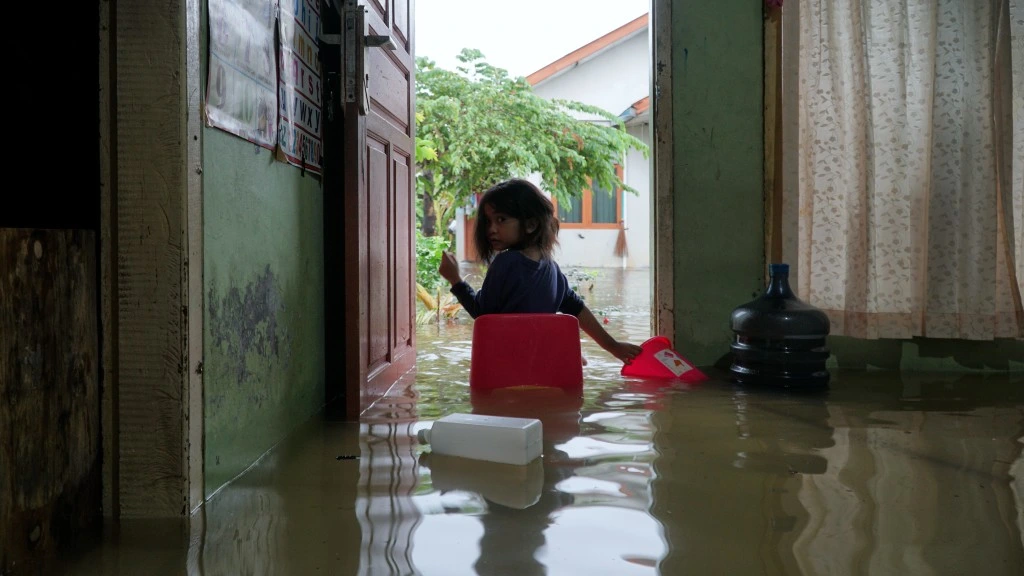
It’s easy to assume that flood damage and water damage are the same thing. After all, both involve unwanted water entering your home. However, from a restoration and insurance perspective, the two are very different.
Knowing the difference can help you respond appropriately, understand what type of cleanup may be required, and avoid confusion when speaking with your insurance provider or a restoration professional.
What Is Water Damage?
Water damage refers to water that originates from within your home or from a specific building system.
Common examples include:
- Burst or leaking pipes
- Overflowing sinks or bathtubs
- Broken water heaters
- Washing machine hose failures
- Dishwasher leaks
- Refrigerator supply line leaks
- Roof leaks caused by damaged shingles or flashing
Although the source of the water may vary, these situations often require prompt water damage restoration to remove moisture, dry affected materials, and prevent additional damage.
What Is Flood Damage?
Flood damage occurs when water enters your home from outside the property and covers areas that are normally dry.
Common causes include:
- Heavy rainfall
- Flash flooding
- Overflowing rivers or creeks
- Storm surge
- Rapid snowmelt
- Water flowing across the ground into the home
Unlike many indoor plumbing issues, floodwater often carries mud, debris, bacteria, and other contaminants that require additional precautions during cleanup.
For this reason, flood damage cleanup typically involves more than simply removing standing water. The affected areas often need to be cleaned, sanitized, and carefully evaluated before repairs begin.
Why the Difference Matters
Although both situations involve water, the source of the water can affect several important aspects of the recovery process.
Restoration Methods
A clean water leak from a broken supply line is treated differently than water entering from a flooded street.
Floodwater may contain contaminants that require specialized cleaning, disposal of certain materials, and additional safety measures before the home can be restored.
Insurance Coverage
Many homeowners are surprised to learn that standard homeowners insurance often treats flood damage differently than water damage.
While sudden and accidental plumbing leaks may be covered under many policies, flood damage caused by rising water from outside the home often requires separate flood insurance.
Because every policy is different, it’s important to review your coverage before an emergency occurs.
Health Risks
Standing water from a plumbing leak can certainly create problems if left untreated, but floodwater presents additional concerns because it may contain:
- Bacteria
- Sewage
- Chemicals
- Dirt and debris
- Other contaminants
The longer contaminated water remains inside a home, the greater the potential risk to both the structure and the people living in it.
Can Flood Damage Lead to Mold?
Absolutely.
Just like other forms of water damage, flooding creates the moisture mold needs to grow.
The difference is that floodwater often affects larger portions of the home, allowing moisture to spread into drywall, insulation, flooring, and structural framing.
If these materials aren’t thoroughly dried, the risk of needing mold remediation increases significantly.
Do Both Require Immediate Action?
Yes.
Whether the water came from a burst pipe or a flooded neighborhood, delaying cleanup allows moisture to spread deeper into building materials.
Quick action helps reduce:
- Structural damage
- Warped flooring
- Damaged drywall
- Mold growth
- Restoration costs
In both situations, the goal is to remove excess water, dry the structure, and restore the property as safely and efficiently as possible.
What Should You Do First?
If your home has experienced water intrusion, your first priority should always be safety.
Once it’s safe to do so:
- Stop the water source if possible.
- Avoid walking through contaminated floodwater.
- Turn off electricity if it can be done safely.
- Document the damage with photos and videos.
- Contact your insurance provider if appropriate.
- Begin the cleanup process as soon as possible.
The faster moisture is addressed, the better the chances of minimizing long-term damage.
Is Every Flood the Same?
Not necessarily.
A few inches of water in a basement after heavy rain is very different from a home submerged during a major storm. The amount of water, the length of time it remains, and the level of contamination all influence the restoration process.
That’s why every property should be evaluated individually. What works for a minor plumbing leak may not be appropriate after a large-scale flood.
Final Thoughts
While the terms are often used interchangeably, flood damage and water damage are not the same. The source of the water affects everything from the cleanup process and potential health risks to insurance coverage and the repairs your home may require.
Whether you’re dealing with a plumbing failure or rising floodwater, acting quickly is one of the most important steps you can take. Professional water damage restoration helps remove hidden moisture, while specialized flood damage cleanup addresses the additional challenges that contaminated floodwater can bring. If your home has been affected by water intrusion, contact us today to schedule an assessment and begin the restoration process before the damage has a chance to spread.