
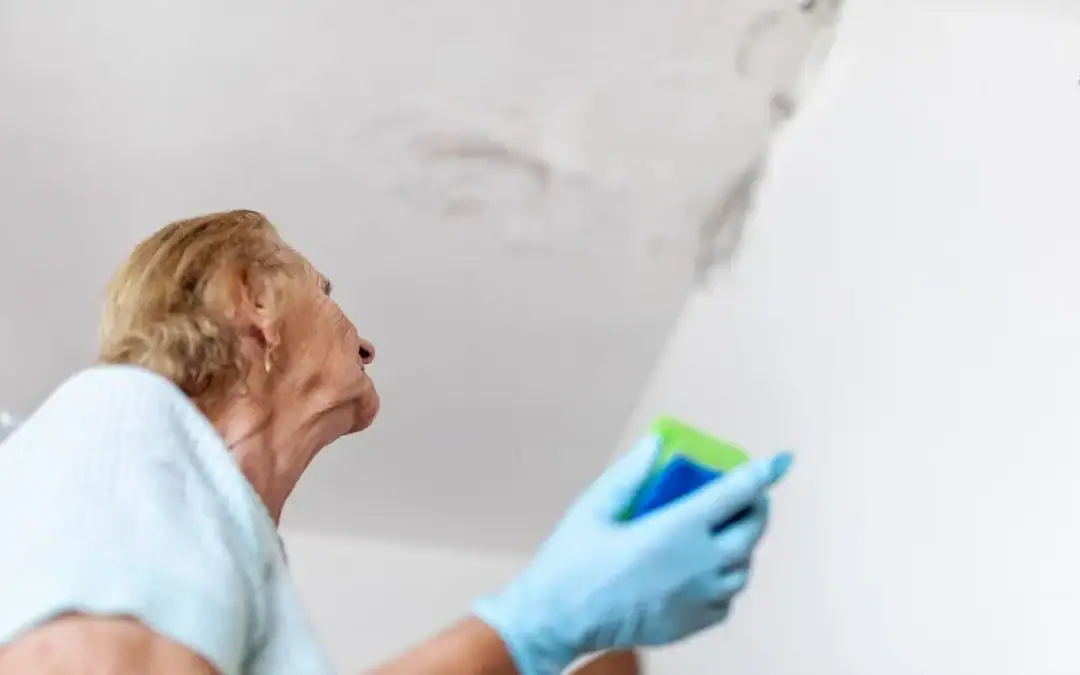
When water enters your home, whether from a burst pipe, roof leak, appliance failure, or flooding, the damage doesn’t stop once the water is gone. One of the biggest concerns homeowners face is how quickly mold can begin to grow—and the answer may be sooner than you think.
Mold doesn’t need standing water to thrive. As long as moisture remains in building materials and the conditions are right, mold can begin developing in as little as 24 to 48 hours. That’s why responding quickly after water damage is one of the most effective ways to protect your home and avoid more extensive repairs.
Why Does Mold Grow So Quickly?
Mold spores are naturally present both indoors and outdoors. Under normal conditions, they remain inactive and don’t pose a problem. However, when spores come into contact with excess moisture and organic materials such as drywall, wood, insulation, or carpeting, they can begin to grow and spread.
Several factors influence how quickly mold develops, including:
- The amount of moisture present
- Indoor temperature and humidity
- Air circulation
- The type of materials affected
- How quickly the water is removed and the area is dried
The longer moisture remains, the greater the opportunity for mold to establish itself.
The First 24 to 48 Hours Are Critical
The first two days after water damage often provide the best opportunity to prevent mold growth.
During this time, it’s important to:
- Stop the source of the water.
- Remove standing water as quickly as possible.
- Dry affected materials thoroughly.
- Increase ventilation where it’s safe to do so.
- Inspect nearby areas for hidden moisture.
Prompt water removal helps eliminate visible water, while professional water restoration focuses on drying moisture that may remain trapped inside walls, flooring, and other structural materials.
Where Mold Usually Starts Growing
Mold doesn’t always appear where you expect it.
Some of the most common locations include:
- Behind drywall
- Under flooring
- Inside insulation
- Beneath cabinets
- Around windows
- Behind baseboards
- In crawl spaces
- Inside attics
- Around HVAC systems
Because many of these areas aren’t visible during everyday life, mold can continue spreading long before homeowners notice a problem.
Signs Mold May Already Be Developing
Visible mold is only one sign of a moisture problem.
Other warning signs include:
- A persistent musty odor
- Peeling paint or bubbling drywall
- Water stains that continue to darken
- Warped flooring
- Increased indoor humidity
- Allergy-like symptoms that worsen indoors
If you’ve experienced recent water damage and notice any of these signs, it’s important to investigate the source of the moisture rather than simply cleaning the surface.
Does Every Water Leak Lead to Mold?
Not necessarily. A small leak that’s discovered and dried quickly may never result in mold growth. The risk increases when moisture remains trapped inside building materials or when the affected area isn’t dried thoroughly.
Even if the visible water has disappeared, hidden moisture can remain behind walls or beneath flooring for days if left untreated.
That’s why water damage repair often begins only after the structure has been properly dried. Repairing damaged materials without addressing trapped moisture can allow mold to develop behind newly finished surfaces.
Flood Damage Creates a Greater Risk
Homes affected by flooding often face a higher risk of mold because larger areas remain wet for longer periods.
Floodwater may also carry dirt, bacteria, and other contaminants that require specialized cleaning before repairs begin.
In these situations, flood damage cleanup is an important first step, followed by thorough drying, cleaning, and restoration to help reduce the likelihood of mold growth.
What Happens If Mold Does Develop?
If moisture isn’t addressed quickly, mold can spread beyond the original water-damaged area.
Depending on the extent of the damage, the restoration process may involve:
- Removing contaminated drywall or insulation
- Cleaning affected structural materials
- Drying hidden moisture
- Improving ventilation
- Performing mold remediation
- Completing necessary construction services to restore removed materials
Addressing mold early is generally less disruptive than waiting until it has spread throughout multiple areas of the home.
How to Reduce the Risk of Mold After Water Damage
While every situation is different, homeowners can lower the risk of mold by acting quickly.
Some best practices include:
- Repair plumbing or roof leaks immediately.
- Remove standing water without delay.
- Dry wet materials thoroughly.
- Monitor the affected area for signs of lingering moisture.
- Replace materials that can’t be fully dried.
- Schedule a professional inspection if you’re unsure whether hidden moisture remains.
Taking action early is often the difference between a straightforward restoration project and a more extensive mold problem.
Final Thoughts
Mold can begin growing surprisingly quickly after water damage, often within 24 to 48 hours if moisture is left untreated. While not every leak leads to mold, delaying cleanup gives moisture more time to spread into walls, flooring, insulation, and other building materials where mold can develop out of sight.
Quick water removal, thorough water restoration, and timely water damage repair all play an important role in preventing mold before it becomes a larger issue. If you’ve recently experienced water damage, don’t wait for visible mold to appear. Contact us today to schedule a professional inspection and let us help identify hidden moisture before it leads to costly mold remediation and additional repairs.