
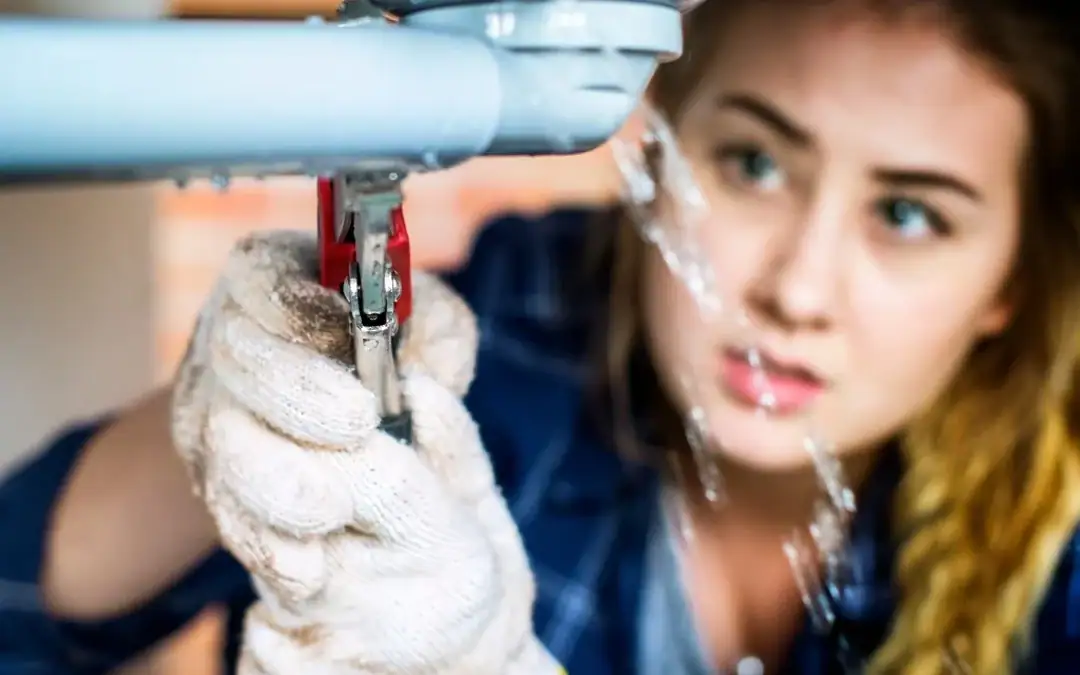
Water damage is one of the most common and costly problems homeowners face. While severe storms and flooding often make the headlines, many cases of water damage begin with everyday issues that go unnoticed until significant damage has already occurred.
The good news is that many of these problems are preventable. By understanding where water damage commonly starts and taking a few proactive steps, you can reduce the risk of unexpected repairs and protect your home from long-term damage.
Plumbing Leaks
A leaking pipe is one of the leading causes of residential water damage. Whether it’s a loose connection beneath a sink, a cracked supply line, or aging plumbing hidden behind a wall, even a slow leak can cause extensive damage over time.
How to Help Prevent It
- Check under sinks for signs of moisture or discoloration.
- Inspect exposed pipes for corrosion or small leaks.
- Replace worn supply lines before they fail.
- Watch for unexplained increases in your water bill, which may indicate a hidden leak.
Catching a plumbing issue early can often prevent the need for extensive water damage repair later.
Roof Leaks
Your roof is your home’s first line of defense against the elements. Missing shingles, damaged flashing, clogged valleys, or aging roofing materials can allow water to enter the attic and eventually reach ceilings, insulation, and walls.
Unfortunately, roof leaks often go unnoticed until water stains appear indoors.
How to Help Prevent It
- Inspect your roof after major storms.
- Keep gutters and downspouts clear.
- Replace damaged or missing shingles promptly.
- Schedule a professional roofing consultation if your roof is aging or you’ve noticed signs of wear.
Addressing roof problems early is often far less expensive than dealing with interior water damage.
Faulty Appliances
Household appliances that use water can fail without warning.
Common culprits include:
- Washing machines
- Dishwashers
- Refrigerators with ice makers
- Water heaters
A cracked hose or loose fitting can release a surprising amount of water in a short period of time.
How to Help Prevent It
- Inspect appliance hoses regularly.
- Replace rubber hoses with braided stainless steel options when appropriate.
- Avoid running major appliances when no one is home.
- Replace aging appliances before they become a problem.
Clogged Gutters
Gutters are designed to direct rainwater away from your home. When they’re clogged with leaves and debris, water can overflow and seep behind siding, around windows, or into the foundation.
How to Help Prevent It
- Clean gutters at least twice a year.
- Check downspouts for blockages.
- Make sure water is being directed several feet away from your home’s foundation.
- Consider installing gutter guards if your property is surrounded by trees.
Burst Pipes
Burst pipes can release gallons of water in just minutes, especially during freezing temperatures or when aging pipes fail unexpectedly.
Because the damage happens so quickly, acting fast is essential.
How to Help Prevent It
- Insulate exposed pipes before winter.
- Keep your home adequately heated during cold weather.
- Know where your main water shut-off valve is located.
- Replace aging plumbing before it reaches the end of its lifespan.
If a pipe does burst, prompt water removal can help limit the amount of moisture that reaches walls, flooring, and other structural materials.
Poor Drainage Around the Home
Water should always flow away from your home’s foundation. Poor grading or drainage problems can allow water to collect around the house, increasing the risk of basement leaks and foundation damage.
How to Help Prevent It
- Ensure the ground slopes away from your home.
- Extend downspouts where necessary.
- Keep drainage paths free of debris.
- Address standing water around your property after heavy rain.
HVAC Condensation Problems
Air conditioning systems naturally produce condensation. If the condensate drain becomes clogged or damaged, water can overflow into ceilings, walls, or utility areas.
Because these leaks often develop slowly, they’re easy to overlook.
How to Help Prevent It
- Replace HVAC filters regularly.
- Schedule annual maintenance.
- Check the condensate drain for blockages.
- Investigate any unexplained moisture around your indoor unit.
Small Leaks That Are Ignored
Not every water emergency begins with a dramatic flood.
A small stain on the ceiling, a damp baseboard, or a dripping faucet may not seem urgent, but these seemingly minor issues often become much larger problems when they’re left unresolved.
How to Help Prevent It
If you notice signs of moisture, don’t assume they’ll go away on their own. Identifying the source early and addressing it promptly can help prevent structural damage and reduce the risk of needing more extensive water damage restoration.
Don’t Forget About Mold
Water damage doesn’t end once visible water disappears.
Moisture trapped behind walls, beneath flooring, or inside insulation can create the ideal environment for mold growth if it’s not thoroughly dried. Acting quickly after a leak helps reduce the likelihood of needing mold remediation later and protects your home’s indoor environment.
Final Thoughts
While not every water emergency can be avoided, many of the most common causes of water damage are preventable with regular inspections, routine maintenance, and early action. Paying attention to small warning signs today can help you avoid costly repairs tomorrow.
When water damage does occur, responding quickly can make all the difference. Professional water damage restoration helps identify hidden moisture, minimize further damage, and restore your home before minor issues become major repairs. If you’ve discovered water damage or suspect moisture where it shouldn’t be, contact us today to schedule a professional assessment and protect your home from further damage.