
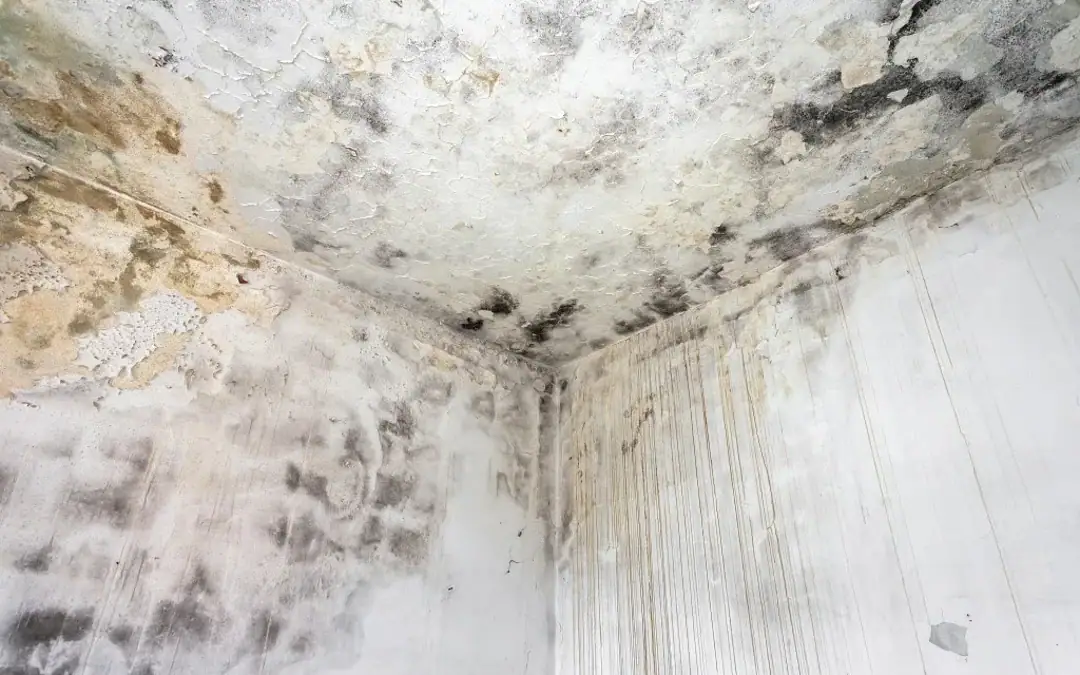
Most people expect mold to leave behind unpleasant odors or ugly stains on walls and ceilings. What many homeowners don’t realize is that mold can also affect the people living inside the home.
While not every type of mold causes illness, mold spores can trigger allergic reactions, worsen existing respiratory conditions, and contribute to a range of symptoms—especially when exposure continues over time. Children, older adults, people with asthma, and individuals with weakened immune systems are often more sensitive to mold exposure than healthy adults.
If you’ve noticed recurring allergy-like symptoms that seem worse indoors or after spending time at home, it’s worth understanding how mold may affect your family’s health.
How Does Mold Affect Your Health?
Mold reproduces by releasing tiny spores into the air. These spores are usually invisible to the naked eye and can spread throughout a home through normal airflow, HVAC systems, and everyday movement.
For many people, breathing in a small number of mold spores isn’t a problem. However, when mold grows indoors because of excess moisture, the concentration of spores can increase, making them more likely to trigger health symptoms in sensitive individuals.
The effects vary from person to person. Some people may experience no symptoms at all, while others develop reactions after even limited exposure.
Common Symptoms of Mold Exposure
Mold exposure often causes symptoms that resemble seasonal allergies or a lingering cold, making it easy to overlook the true cause.
Common symptoms include:
- Frequent sneezing
- Stuffy or runny nose
- Persistent coughing
- Wheezing
- Sore throat
- Itchy eyes
- Watery eyes
- Skin irritation or rashes
- Headaches
- Fatigue
These symptoms may improve after leaving the home and return when you spend more time indoors.
If multiple members of your household experience similar symptoms, especially after a water leak or flooding event, indoor mold may be worth investigating.
Who Is Most at Risk?
Anyone can be affected by mold, but certain groups are more likely to experience health problems.
Young Children
Children breathe more air relative to their body size than adults and have developing immune systems, making them more sensitive to airborne irritants.
Older Adults
As people age, respiratory and immune function may become less resilient, increasing the likelihood of complications from prolonged mold exposure.
People With Asthma
Mold spores are a well-known asthma trigger. Exposure can worsen symptoms, increase the frequency of asthma attacks, and make breathing more difficult.
Individuals With Allergies
People who already have environmental allergies often react more strongly to mold spores, especially during prolonged indoor exposure.
People With Weakened Immune Systems
Those undergoing certain medical treatments or living with conditions that affect the immune system may be more vulnerable to mold-related infections and complications.
Does “Black Mold” Deserve Its Reputation?
The phrase “black mold” often causes alarm, but the color of mold alone doesn’t determine whether it’s dangerous.
Many different mold species can appear black, green, brown, white, or gray. One of the most well-known species, Stachybotrys chartarum, has received significant media attention, but it isn’t the only mold capable of causing health concerns.
What matters most is the amount of mold present, how long people are exposed, and whether anyone in the home has underlying health conditions.
Instead of trying to identify mold by color, it’s more important to address the moisture problem that’s allowing it to grow.
Where Mold Commonly Grows Inside a Home
Mold thrives anywhere moisture remains for an extended period.
Common areas include:
- Bathrooms
- Kitchens
- Basements
- Laundry rooms
- Attics
- Crawl spaces
- Around windows
- Behind drywall after leaks
- Beneath carpeting
- Under sinks
- Around HVAC systems
Many mold problems begin in areas that stay damp after a plumbing leak, roof leak, or flooding event. Mold thrives in dark, moist environments, and it can continue growing if excess moisture isn’t completely removed. Proper water damage restoration helps dry affected materials thoroughly and reduces the conditions that allow mold to spread.
Signs Your Home May Have a Hidden Mold Problem
Visible mold isn’t always the first warning sign.
Other indicators include:
- A persistent musty odor
- Water stains on ceilings or walls
- Peeling paint or bubbling drywall
- Warped flooring
- Increased allergy symptoms indoors
- Condensation around windows
- Previous water damage that wasn’t professionally dried
If these signs appear together, further investigation may be warranted.
When Should You See a Doctor?
If you believe mold exposure is affecting your health, it’s important to speak with a healthcare provider—especially if symptoms are persistent, worsening, or affecting breathing.
Seek medical attention promptly if you experience:
- Difficulty breathing
- Severe asthma symptoms
- Persistent coughing that doesn’t improve
- Fever alongside respiratory symptoms
- Symptoms that interfere with daily activities
A healthcare professional can help determine whether mold may be contributing to your symptoms and recommend appropriate treatment.
Can You Prevent Mold Growth?
The best way to prevent mold isn’t by cleaning mold—it’s by controlling moisture.
Some effective prevention strategies include:
- Repair plumbing leaks promptly.
- Dry water-damaged materials as quickly as possible.
- Use exhaust fans in bathrooms and kitchens.
- Maintain indoor humidity below recommended levels.
- Improve ventilation in damp areas.
- Inspect your roof and gutters regularly.
- Address condensation around windows and pipes.
Even small leaks can create the conditions mold needs to grow if they’re left unresolved. Addressing water damage early not only helps protect your home’s structure but can also reduce overall water damage restoration costs by preventing more extensive repairs.
Don’t Ignore the Source of the Problem
Cleaning visible mold without addressing the underlying moisture issue is often only a temporary solution.
If excess moisture remains inside walls, beneath flooring, or in other hidden areas, mold can continue growing even after surface cleaning.
Identifying and correcting the source of moisture is one of the most important steps in protecting both your home and your family’s health.
Final Thoughts
Mold affects every household differently. Some people may experience only mild allergy symptoms, while others—particularly young children, older adults, and individuals with respiratory conditions—may notice more significant health effects after prolonged exposure.
Because mold-related symptoms often resemble seasonal allergies or the common cold, they can easily go unnoticed until they become persistent. Paying attention to recurring symptoms, musty odors, and signs of previous water damage can help homeowners recognize potential problems before they become more serious.
If you suspect mold may be affecting your home, don’t focus solely on what you can see. A professional assessment can help determine whether hidden moisture or mold growth is present, allowing you to address the underlying cause and create a healthier indoor environment for your family.