
When homeowners discover water damage, their first concern is often the damage itself. Their second—and arguably bigger—question is whether insurance will cover the repairs.
Unfortunately, there’s no universal yes or no answer.
Many homeowners assume that any type of water damage is automatically covered by insurance. Others believe insurance companies deny every claim. The reality lies somewhere in between.
Coverage depends on how the damage happened, how quickly it was reported, and what your homeowners insurance policy actually covers. Understanding these distinctions before filing a claim can help you avoid costly surprises and set realistic expectations.
The Biggest Myth About Water Damage Insurance
One of the most common misconceptions is that homeowners insurance covers all types of water damage.
It doesn’t.
Homeowners insurance is designed to protect against sudden, accidental, and unexpected events. It is generally not intended to cover damage that develops slowly over time or results from a lack of maintenance.
Think of it this way: Insurance covers accidents. It usually doesn’t cover preventable problems.
That distinction is what determines whether many claims are approved or denied.
Understanding the Difference Between “Water Damage” and “Flood Damage”
These two terms are often used interchangeably, but insurance companies treat them very differently.
Water damage typically refers to water that originates inside your home, such as:
- A burst pipe
- A broken water heater
- An overflowing washing machine
- A failed plumbing connection
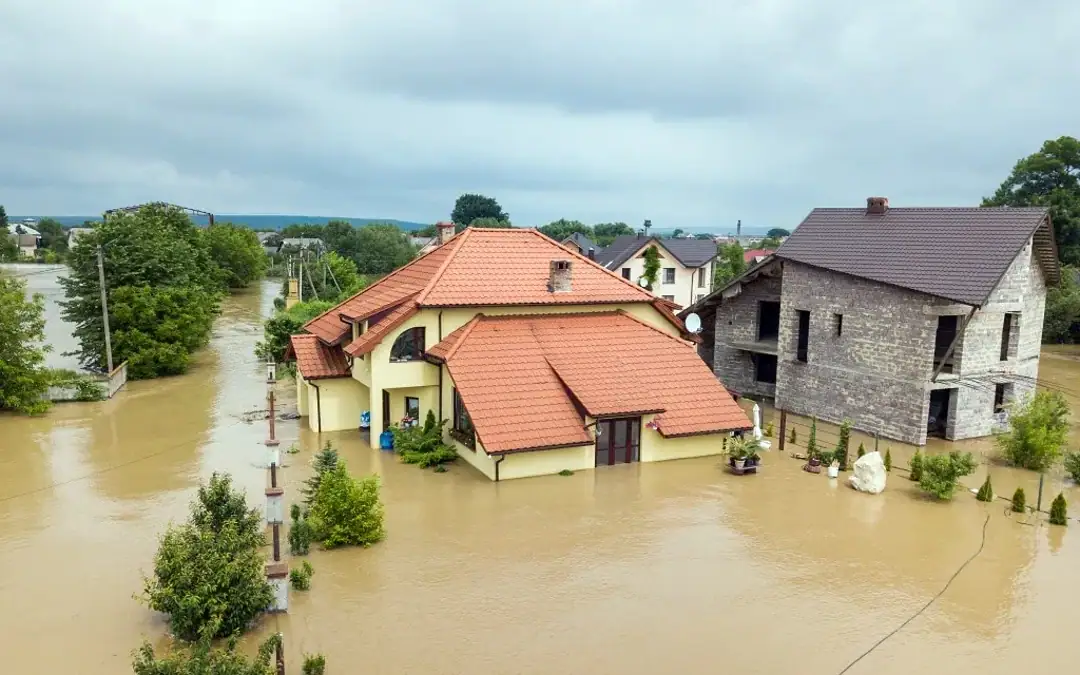
Flood damage, on the other hand, comes from outside the home, including:
- Heavy rainfall
- Storm surge
- Overflowing rivers
- Flash floods
- Rising groundwater
Most standard homeowners insurance policies do not cover flood damage. Separate flood insurance is usually required.
This is why two neighboring homes may experience similar damage during a storm but receive completely different insurance decisions.
Four Questions Your Insurance Company Will Want Answered
When reviewing a water damage claim, insurers generally focus on four key questions.
1. Where Did the Water Come From?
The source of the water is one of the biggest factors in determining coverage.
A burst supply line is treated much differently than groundwater entering through a foundation wall.
2. Was the Damage Sudden or Gradual?
Insurance companies often distinguish between an unexpected event and an issue that developed over weeks or months.
A pipe that bursts overnight tells a different story than one that has been leaking behind a wall for six months.
3. Could the Damage Have Been Prevented?
Insurance policies generally expect homeowners to maintain their property.
If inspections or routine maintenance could have prevented the problem, coverage may become more limited.
4. What Steps Did You Take After Discovering the Damage?
Most insurance policies require homeowners to take reasonable steps to prevent additional damage.
Ignoring an active leak for several days could complicate your claim, even if the original cause was covered.
Situations That Are Often Covered
While every insurance policy is different, homeowners commonly receive coverage for sudden incidents such as:
- Burst plumbing pipes
- Frozen pipes that unexpectedly rupture
- Accidental appliance hose failures
- Overflow caused by plumbing malfunctions
- Water damage resulting from extinguishing a house fire
Coverage generally applies to repairing the damage caused by the water—not necessarily replacing the appliance or plumbing component that failed.
Situations That Commonly Lead to Claim Denials
Many denied claims share a common theme: the damage didn’t happen overnight.
Examples include:
- Slow plumbing leaks
- Aging roofs that weren’t maintained
- Repeated foundation seepage
- Ongoing condensation problems
- Mold caused by neglected moisture issues
Insurance companies often consider these maintenance responsibilities rather than unexpected losses.
What About Mold?
Mold is one of the grayest areas in homeowners insurance.
If mold develops because of a covered water loss and reasonable steps were taken to dry the property, some policies may provide limited mold coverage.
However, mold resulting from years of moisture problems or ignored leaks is frequently excluded.
Because mold coverage varies significantly between policies, homeowners should review their policy carefully before assuming it’s included.
How to Strengthen Your Insurance Claim
The strength of your claim often depends on the information you provide.
Helpful documentation includes:
- Photos before cleanup begins
- Videos showing the affected rooms
- Receipts for emergency expenses
- An inventory of damaged belongings
- Notes documenting when the damage was discovered
- Copies of repair estimates
The more organized your documentation, the easier it becomes for adjusters to understand the extent of the loss.
Should You Wait for the Insurance Adjuster Before Starting Cleanup?
Many homeowners worry they’ll hurt their claim if they begin cleaning immediately.
In reality, insurance companies generally expect homeowners to take reasonable steps to prevent additional damage.
That may include:
- Stopping the water source
- Removing standing water when safe
- Drying affected areas
- Protecting belongings from further damage
However, avoid making permanent repairs or discarding heavily damaged materials until your insurance company has had an opportunity to document the loss whenever possible.
When Should You Call a Restoration Company?
You don’t necessarily need to wait until your insurance company makes a decision before contacting a restoration company.
In fact, delaying professional drying can increase the overall damage and make the claim more complicated.
Many restoration companies work directly with insurance carriers by:
- Documenting moisture levels
- Providing detailed drying reports
- Photographing damage
- Preparing restoration estimates
- Assisting with claim documentation
This documentation often becomes valuable during the claims process.
Review Your Policy Before You Need It
The worst time to learn what’s covered is after your home has already suffered water damage.
Take time now to review:
- Your deductible
- Water damage exclusions
- Mold limitations
- Sewer backup endorsements
- Flood insurance coverage
- Additional riders or endorsements
Knowing these details ahead of time can make a stressful situation much easier to navigate.
Final Thoughts
Homeowners insurance can be an important financial safety net, but it isn’t a blanket policy for every type of water damage. Whether a claim is covered often comes down to the source of the water, the condition of the home before the incident, and how quickly the situation was addressed.
Rather than assuming your policy will—or won’t—cover the damage, take the time to understand your coverage, document everything thoroughly, and notify your insurer as soon as possible after discovering a problem.
If the extent of the damage is unclear, having the property evaluated by an experienced water damage restoration professional can provide both peace of mind and valuable documentation. An early assessment not only helps identify hidden moisture but can also support a smoother insurance claims process while ensuring your home is restored properly.