
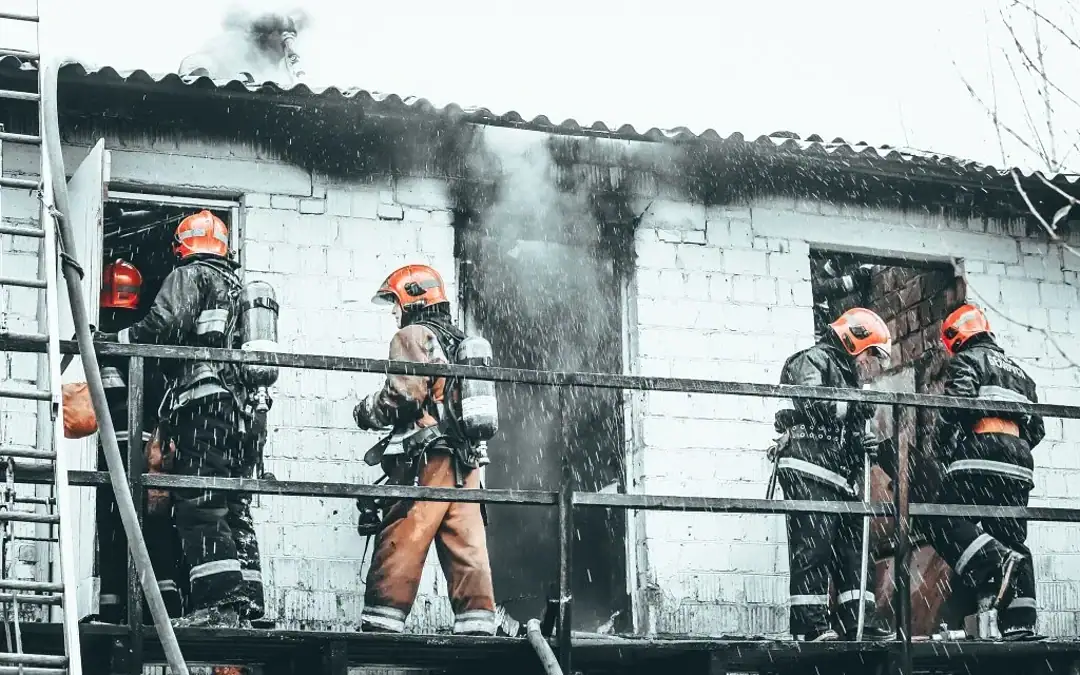
A house fire can change everything in a matter of minutes. Even after the flames are extinguished, the recovery process is often just beginning. Along with the visible damage, homeowners may be dealing with smoke odors, water from firefighting efforts, damaged belongings, insurance paperwork, and the emotional impact of losing part of their home.
Knowing what to expect after a fire can make the recovery process feel more manageable. While every situation is different, understanding the steps ahead can help you make informed decisions, protect your property, and begin rebuilding with confidence.
Wait Until Your Home Is Declared Safe
It can be tempting to return to your home as soon as the fire is out, but doing so too early may be dangerous.
Fire can weaken floors, walls, ceilings, and roofing materials, creating structural hazards that aren’t always visible. There may also be risks from exposed electrical wiring, gas leaks, broken glass, or unstable debris.
Always wait for approval from the fire department or local building officials before re-entering your home.
Contact Your Insurance Company as Soon as Possible
One of your first priorities should be notifying your homeowners insurance provider.
Most insurance companies will assign a claims representative who can explain your coverage, guide you through the claims process, and arrange for an adjuster to inspect the property.
When speaking with your insurance company, be prepared to provide:
- The date and time of the fire
- A description of the damage
- Photos or videos if available
- Information about any emergency services already performed
Reporting the loss promptly can help move the claims process forward and reduce delays.
Document the Damage Before Cleaning Up
Once it’s safe to enter the property, document everything before moving or disposing of damaged items.
Take photographs and videos of:
- Every room
- Structural damage
- Smoke damage
- Water damage from firefighting efforts
- Damaged furniture
- Electronics
- Appliances
- Personal belongings
Creating a detailed inventory of damaged items—including estimated purchase dates and values—can also be helpful when working with your insurance company.
Secure the Property
If windows, doors, or sections of the roof have been damaged, securing the property should be a priority.
Boarding up broken windows, covering exposed roof areas, and restricting unauthorized access can help prevent additional weather damage, vandalism, or theft while restoration plans are being made.
Many homeowners insurance policies require reasonable steps to protect the property from further damage after a loss.
Don’t Overlook Smoke and Soot Damage
Even areas untouched by flames may have been affected by smoke and soot.
Smoke particles can settle on walls, ceilings, furniture, clothing, and electronics throughout the home. Depending on the type of materials that burned, soot may also contain acidic residues that can permanently stain or damage surfaces if not cleaned promptly.
Lingering smoke odors often penetrate porous materials, making professional cleaning important even when the fire itself was contained to a single room.
Understanding the extent of smoke damage early can help determine which materials can be cleaned and which may need replacement.
Water Damage Is Often Part of Fire Recovery
Most house fires are extinguished with large amounts of water.
As a result, homeowners frequently face water damage in addition to fire damage. Saturated drywall, insulation, flooring, and structural materials should be dried as quickly as possible to reduce the risk of mold growth and additional deterioration.
Prompt water damage restoration in Rockwall can help prevent secondary damage while the fire restoration process is underway.
Temporary Housing May Be Necessary
Depending on the severity of the damage, your home may not be safe or comfortable to occupy during restoration.
Many homeowners insurance policies include Additional Living Expenses (ALE) coverage, which may help pay for temporary housing, meals, and other necessary expenses while your home is being repaired.
Keep receipts for hotel stays, meals, laundry services, and other approved expenses, as they may be reimbursable under your policy.
Decide What Can Be Saved
Not every damaged item will need to be discarded.
Many belongings—including furniture, clothing, documents, and sentimental items—can sometimes be restored using specialized cleaning techniques.
The condition of each item depends on factors such as:
- Heat exposure
- Smoke contamination
- Water damage
- Material type
- Length of exposure
Making these decisions after a professional assessment can help avoid throwing away items that may still be recoverable.
Be Prepared for the Restoration Timeline
Recovering from a house fire doesn’t happen overnight.
Minor fire damage may require only a few weeks of repairs, while significant structural damage can take several months or longer.
The timeline depends on several factors, including:
- The extent of structural damage
- Smoke and soot contamination
- Water damage
- Availability of building materials
- Insurance approvals
- Required permits
- Reconstruction work
Understanding that recovery takes time can help set realistic expectations throughout the process.
Taking Care of Yourself Matters Too
The emotional effects of a house fire are often overlooked.
Losing personal belongings, being displaced from your home, and navigating insurance claims can create significant stress for every member of the household.
It’s important to:
- Accept help from family and friends.
- Keep important documents organized.
- Take recovery one step at a time.
- Reach out to community resources if needed.
- Give yourself time to adjust emotionally as well as physically.
Recovering from a fire isn’t just about rebuilding a house—it’s about helping your family regain a sense of normalcy.
Final Thoughts
Recovering from a house fire is rarely a straightforward process. Even after the flames are extinguished, there are still important decisions to make—from protecting your property and documenting the damage to navigating insurance claims and restoring what can be saved.
The sooner the recovery process begins, the better the chances of minimizing additional damage and getting your home back to a safe, livable condition. Professional fire damage restoration Rockwall can help address smoke, soot, water damage, and structural concerns while providing a clear plan for moving forward. If your home has been affected by a fire, contact us today to schedule an assessment and take the first step toward recovery.