
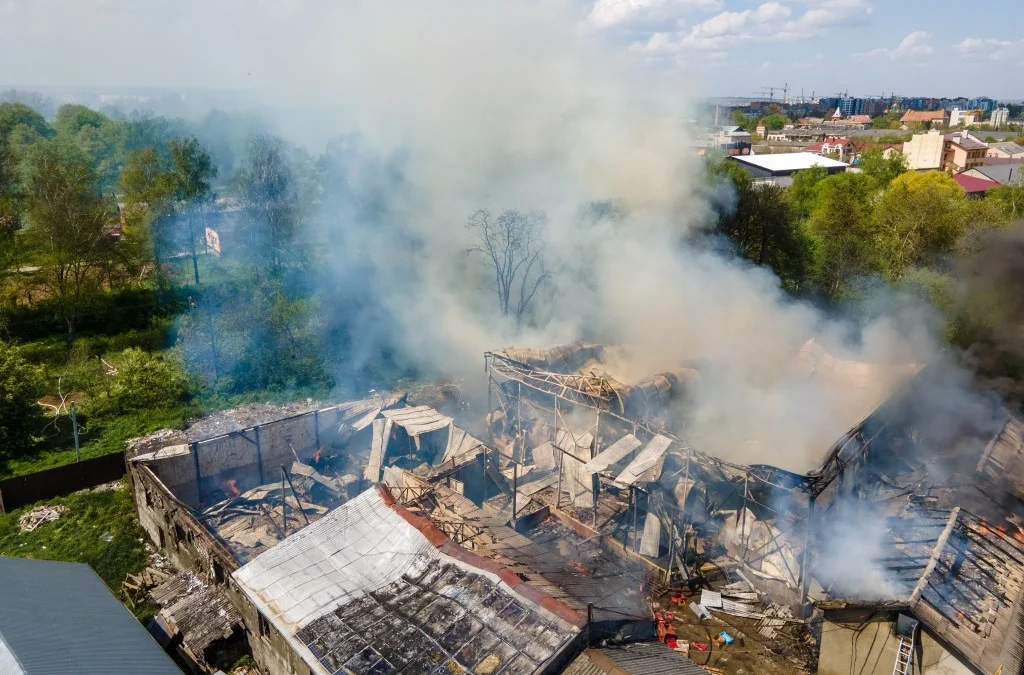
A house fire can leave behind far more than burned walls and damaged belongings. Even after the flames are extinguished, smoke, soot, water, and structural damage can continue affecting your home if they’re not addressed promptly.
That’s where fire damage restoration comes in.
Rather than focusing on a single repair, fire damage restoration is a step-by-step process designed to stabilize the property, clean and restore salvageable materials, and repair damaged areas so your home can safely be lived in again. Knowing what to expect can make an already stressful situation feel a little more manageable.
Step 1: Securing the Property
Before restoration begins, the property must first be made safe.
Depending on the extent of the damage, windows, doors, or sections of the roof may have been compromised during the fire or while firefighters worked to extinguish it. Exposed openings can leave the home vulnerable to weather, theft, and additional damage.
Temporary fire board-up services help secure the property while a restoration plan is put in place. If the roof has been damaged, a professional assessment can determine whether temporary protection or a more permanent solution, such as roof replacement, will be needed later in the recovery process.
Step 2: Inspecting the Damage
Once the property has been secured, a detailed inspection is performed to evaluate the full extent of the damage.
This assessment looks beyond what is immediately visible and may include:
- Structural damage
- Smoke and soot contamination
- Water damage from firefighting efforts
- Damage to personal belongings
- Areas that can be restored
- Materials that require replacement
This information helps create a restoration plan tailored to the home’s specific needs.
Step 3: Removing Water and Drying the Property
Many homeowners are surprised to learn that water damage is often part of fire recovery.
The large amounts of water used to extinguish a fire can soak drywall, flooring, insulation, and structural framing. If this moisture isn’t removed quickly, it can lead to additional damage and increase the risk of mold growth.
Professional water damage restoration helps remove excess moisture, thoroughly dry the structure, and prepare the property for the next stages of restoration.
Step 4: Smoke Damage Cleaning and Odor Removal
Smoke doesn’t stay confined to the room where the fire started. As it travels through the home, it can leave behind soot, stains, and lingering odors on walls, ceilings, furniture, and personal belongings.
One of the most important stages of fire restoration is smoke damage cleaning, which focuses on removing soot residue and cleaning affected surfaces before permanent staining or corrosion occurs.
Depending on the severity of the fire, deodorization techniques may also be used to help eliminate persistent smoke odors trapped inside porous materials.
Step 5: Cleaning and Restoring Salvageable Materials
Not everything exposed to a fire needs to be replaced. Furniture, clothing, electronics, and sentimental belongings may be recoverable depending on the extent of the heat, smoke, and water exposure. Each item is evaluated individually to determine whether it can be cleaned and restored or whether replacement is the safer option.
The goal is to preserve as much of your property as possible without compromising safety or quality.
Step 6: Repairing the Damage
After the property has been cleaned and dried, repairs can begin.
Depending on the extent of the fire, this stage may include:
- Drywall replacement
- Flooring installation
- Painting
- Ceiling repairs
- Cabinet replacement
- Electrical repairs performed by licensed professionals
- Structural repairs
If larger portions of the home have been affected, additional construction services may be required to restore the property to its pre-loss condition.
Step 7: Final Inspection and Walkthrough
Before the project is complete, the restored areas are carefully reviewed to ensure all work has been completed according to the restoration plan.
A final walkthrough gives homeowners the opportunity to inspect the completed work, ask questions, and confirm that the home is safe, clean, and ready for occupancy.
How Long Does Fire Damage Restoration Take?
Every fire is different, so there’s no universal timeline.
Several factors influence how long restoration may take, including:
- The size of the affected area
- The severity of the fire
- The amount of smoke and soot damage
- Water damage from firefighting efforts
- The availability of building materials
- Insurance approvals
- The amount of reconstruction required
Minor restoration projects may be completed in a matter of days, while larger structural losses can take several weeks or even months.
Can You Stay in Your Home During Restoration?
That depends on the extent of the damage. If the fire was limited to a small area and essential utilities remain safe to use, homeowners may be able to remain in portions of the home while restoration is underway.
However, extensive smoke contamination, structural damage, or major repairs often make temporary relocation the safest option until the work is complete.
Final Thoughts
Recovering from a house fire involves much more than repairing what was burned. From securing the property and removing water to smoke damage cleaning, structural repairs, and complete fire damage restoration, every step plays an important role in returning your home to a safe and comfortable condition.
The sooner restoration begins, the better the chances of limiting additional damage and preserving more of your property. If your home has been affected by a fire, contact us today to schedule a fire damage restoration assessment and take the first step toward restoring your home with confidence.