
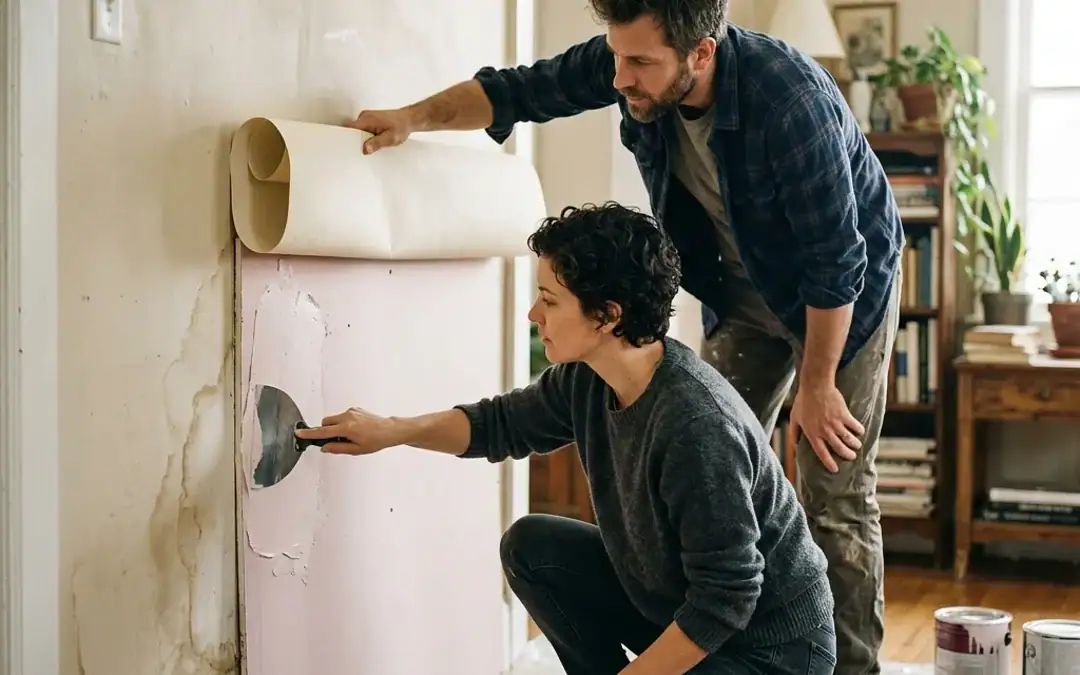
When water damage happens, your first instinct is usually to act fast—and that’s a good thing. But in the rush to protect your home, it’s surprisingly easy to make decisions that can actually make the situation worse.
Some homeowners unknowingly trap moisture behind new materials, while others wait too long to begin cleanup because the damage “doesn’t look that bad.” Even well-intentioned actions can lead to more extensive repairs if they’re taken at the wrong time.
Knowing what not to do is just as important as knowing what to do. Here are some of the most common mistakes to avoid after discovering water damage.
Don’t Wait to See If It Dries on Its Own
One of the biggest mistakes homeowners make is assuming time will solve the problem.
Water doesn’t simply disappear because the surface feels dry. It can seep into drywall, insulation, subfloors, framing, and other building materials where moisture remains trapped out of sight.
The longer water sits, the greater the chance of:
- Structural damage
- Warped flooring
- Damaged drywall
- Musty odors
- Mold growth
Even a small leak deserves immediate attention.
Don’t Assume the Damage Is Limited to One Room
Water rarely stays where it starts.
A leaking appliance in the kitchen can spread beneath cabinets and flooring. A burst pipe upstairs can affect ceilings, walls, and insulation below. By the time visible damage appears elsewhere, moisture may have already traveled farther than expected.
Looking beyond the obvious damage is one of the most important parts of evaluating a water emergency.
Don’t Turn the Power Back On Too Soon
If water has reached electrical outlets, wiring, appliances, or your electrical panel, avoid restoring power until it’s safe to do so.
Electricity and standing water are a dangerous combination.
If you’re unsure whether electrical components have been affected, consult your utility provider or a qualified electrician before entering the area or turning the power back on.
Don’t Cover Up Water-Damaged Materials
It’s tempting to repaint a stained ceiling or install new flooring as soon as the visible water is gone.
However, repairing cosmetic damage before the structure is completely dry can trap moisture inside walls and beneath finished surfaces.
Over time, this hidden moisture can lead to:
- Peeling paint
- Warped flooring
- Persistent odors
- Mold growth
- Additional repairs
Before beginning any water damage repair, it’s important to make sure affected materials have been properly dried.
Don’t Rely Solely on Household Fans
Fans and portable dehumidifiers can certainly help with minor moisture, but they aren’t always capable of drying water that’s been absorbed deep into structural materials.
Walls, insulation, hardwood flooring, and subfloors often retain moisture long after the surface appears dry.
Professional water removal and structural drying focus on eliminating moisture where it can’t be seen, not just where it can.
Don’t Throw Away Damaged Belongings Right Away
If you plan to file an insurance claim, avoid disposing of damaged items before documenting them.
Take photographs and videos of:
- Furniture
- Electronics
- Flooring
- Personal belongings
- Walls and ceilings
Unless an item creates a health or safety hazard, keeping it until your insurance company has provided guidance can help support your claim.
Don’t Ignore Musty Odors
A musty smell isn’t something to cover up with air fresheners or scented candles.
Persistent odors often indicate moisture remains somewhere inside the home.
Whether it’s behind drywall, beneath flooring, or inside insulation, trapped moisture creates the conditions mold needs to grow.
If an odor doesn’t improve after cleanup, it should be investigated rather than ignored.
Don’t Forget About the Source of the Problem
Cleaning up the water is only part of the solution.
If the source of the leak isn’t repaired, the same problem is likely to happen again.
Depending on the cause, that could mean:
- Repairing a plumbing leak
- Replacing an appliance hose
- Addressing drainage issues
- Scheduling a roofing consultation if water entered through a damaged roof
Stopping the source is just as important as cleaning up the damage it caused.
Don’t Assume Mold Won’t Be a Problem
Mold doesn’t require inches of standing water to grow.
If moisture remains inside building materials, mold can begin developing in as little as 24 to 48 hours under the right conditions.
That’s why drying the structure thoroughly is just as important as removing visible water. If mold is discovered, timely mold remediation can help prevent it from spreading to other areas of the home.
Don’t Wait Too Long to Ask for Help
Many homeowners delay getting professional advice because they’re hoping the situation isn’t serious.
Unfortunately, water damage often becomes more expensive the longer it’s left unresolved.
A quick assessment can identify hidden moisture, determine whether materials can be salvaged, and help prevent avoidable repairs later.
Even if the damage turns out to be minor, having the information to make the right decision is always worthwhile.
Final Thoughts
Water damage doesn’t always become a major problem because of the initial leak—it often becomes more severe because of the choices made afterward. Avoiding common mistakes like delaying cleanup, covering up wet materials, or overlooking hidden moisture can help protect your home and reduce the need for more extensive repairs.
Professional water damage restoration goes beyond surface cleanup by locating hidden moisture, thoroughly drying affected materials, and helping prevent long-term issues such as structural damage and mold growth. If you’ve experienced water damage and aren’t sure what to do next, contact us today for a professional assessment before a small problem becomes a much bigger one.