
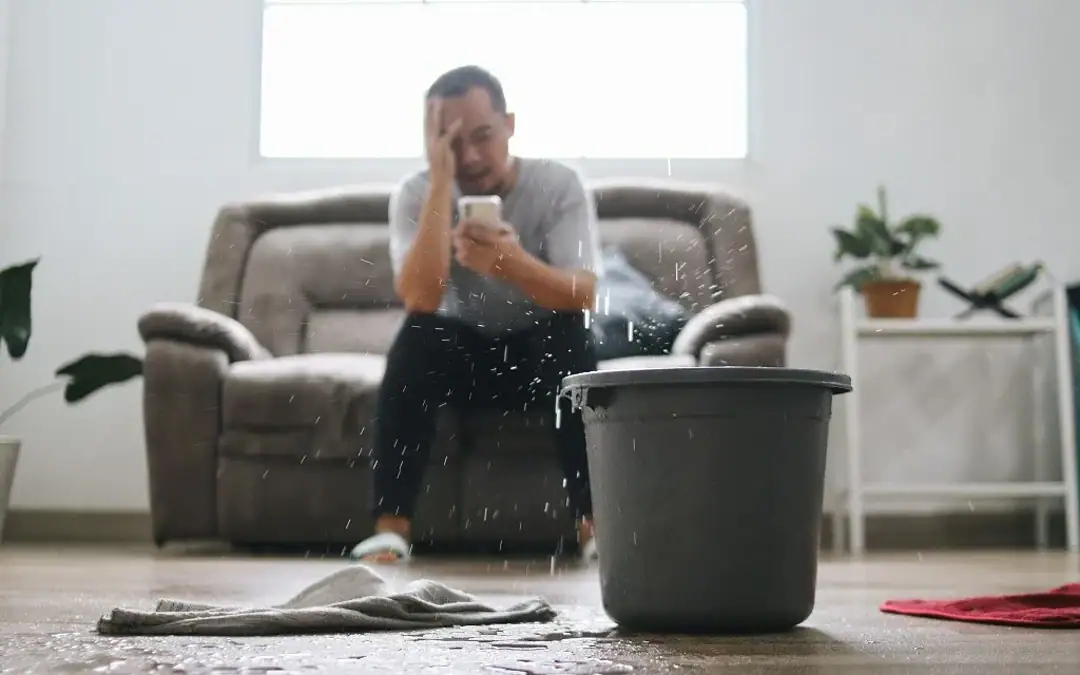
One of the first questions homeowners ask after discovering water damage is, “How much is this going to cost?”
The answer isn’t always straightforward. Water damage restoration costs can vary significantly depending on the source of the water, how long the damage has been present, the size of the affected area, and the repairs needed to restore your home.
While no two restoration projects are exactly alike, understanding what influences pricing can help you make informed decisions, avoid unnecessary expenses, and better prepare for the restoration process.
If you’re facing water damage and aren’t sure how serious the problem is, having your property evaluated by an experienced restoration professional can provide valuable peace of mind. A timely assessment can identify hidden moisture, outline the appropriate restoration plan, and help you protect one of your most important investments—your home.
What Factors Affect Water Damage Restoration Costs?
Restoration professionals evaluate several factors before providing an estimate. Rather than charging a flat rate, pricing is based on the scope of work required to safely dry, clean, and restore the affected areas.
Some of the biggest cost factors include:
The Size of the Affected Area
Larger rooms require more labor, drying equipment, and restoration materials than smaller spaces.
A localized leak affecting a single bathroom will typically cost far less than water that has spread through multiple rooms or an entire floor of the home.
The Type of Water Involved
Not all water damage is treated the same.
Professionals generally classify water into three categories:
- Clean Water from broken supply lines or overflowing sinks.
- Gray Water from appliances such as washing machines or dishwashers.
- Black Water from sewage backups or floodwater containing harmful contaminants.
As contamination levels increase, so do cleaning requirements, safety precautions, and restoration costs.
How Long the Water Has Been Sitting
Time is one of the biggest cost drivers.
Water that is cleaned up within a few hours is generally easier to dry than water left unnoticed for several days. Prolonged moisture can damage drywall, insulation, flooring, cabinetry, and structural framing while increasing the likelihood of mold growth.
The sooner restoration begins, the better the chances of minimizing repair costs.
Building Materials Affected
Different materials respond differently to water exposure.
Materials such as laminate flooring, drywall, insulation, carpeting, hardwood flooring, and cabinetry all require different drying methods and repair approaches.
Some materials can be restored, while others may need replacement if they cannot be safely dried.
Typical Water Damage Restoration Costs in 2026
Although prices vary by location and severity, homeowners can generally expect restoration costs to fall within the following ranges.
| Restoration Service | Typical Cost Range |
| Water inspection and moisture assessment | $200–$600 |
| Water extraction | $500–$2,500 |
| Structural drying and dehumidification | $1,000–$4,000 |
| Minor repairs | $500–$3,000 |
| Major structural restoration | $5,000–$20,000+ |
| Mold remediation (if needed) | $1,500–$6,000+ |
These estimates are intended as general pricing guidelines. The actual cost of restoring your home will depend on the extent of the damage, local labor rates, and the complexity of the restoration project.
Why Two Similar Water Leaks Can Have Very Different Costs
Consider two homeowners who both discover a leaking pipe.
The first notices the leak within minutes, shuts off the water supply, and contacts a restoration company the same day. The affected area dries quickly, and only minor repairs are needed.
The second homeowner discovers the leak after returning from a weekend trip. Water has soaked into drywall, flooring, insulation, and cabinetry, allowing mold to begin developing behind the walls.
Although both situations started with a leaking pipe, the second restoration project is significantly more complex—and considerably more expensive.
This example highlights why immediate action is one of the most effective ways to reduce restoration costs.
Will Homeowners Insurance Cover Water Damage Restoration?
In many cases, homeowners insurance may help cover restoration costs if the damage results from a sudden and accidental event, such as a burst pipe or an unexpected appliance failure.
However, insurance policies often exclude damage caused by:
- Long-term leaks
- Deferred maintenance
- Groundwater seepage
- Flooding (unless separate flood insurance is in place)
Coverage varies by policy, so homeowners should review their insurance documents or speak with their insurance provider to understand what is and isn’t included.
Can You Save Money by Waiting?
Many homeowners hesitate to call for professional restoration because they’re concerned about the cost.
Ironically, waiting often makes the project more expensive.
Water continues spreading long after the initial leak occurs. Moisture trapped beneath flooring or inside walls can lead to:
- Mold growth
- Wood rot
- Damaged insulation
- Warped flooring
- Ceiling deterioration
- Electrical concerns
Addressing water damage promptly is often less expensive than repairing the secondary damage caused by delaying restoration.
Choosing a Restoration Company Based on Value—Not Just Price
The lowest estimate isn’t always the best value.
A reputable restoration company should perform a thorough inspection, explain the scope of work, use professional drying equipment, and monitor moisture levels throughout the project.
When comparing estimates, ask questions such as:
- Does the estimate include moisture detection?
- Will daily moisture monitoring be performed?
- Are cleaning and sanitizing services included?
- Is reconstruction included if materials need replacement?
- Will the company assist with insurance documentation?
A detailed estimate provides a clearer picture of the work being performed and can help you compare providers more accurately.
Tips for Reducing Restoration Costs
While water emergencies aren’t always preventable, homeowners can reduce the financial impact by acting quickly.
Some practical ways to minimize costs include:
- Know where your home’s main water shutoff valve is located.
- Inspect plumbing and appliances regularly for leaks.
- Replace aging supply hoses before they fail.
- Address small leaks before they become larger problems.
- Keep gutters and downspouts clear to direct water away from your home.
- Schedule regular maintenance for your roof, plumbing, and water heater.
Preventive maintenance is often far less expensive than emergency restoration.
Final Thoughts
Water damage restoration costs in 2026 can range from a relatively minor expense to a major home repair project, depending on how quickly the issue is addressed and how far the water has spread. While every situation is different, understanding the factors that influence pricing can help you make informed decisions during an already stressful time.
If you experience water damage, focus on stopping the source, documenting the damage, and taking steps to prevent further moisture from spreading. Acting quickly not only helps protect your home but can also reduce the overall cost of restoration.
When in doubt, having your property assessed by an experienced water damage restoration professional can provide clarity on the extent of the damage and the next steps for recovery. A prompt inspection today may help prevent far more costly repairs in the future.