
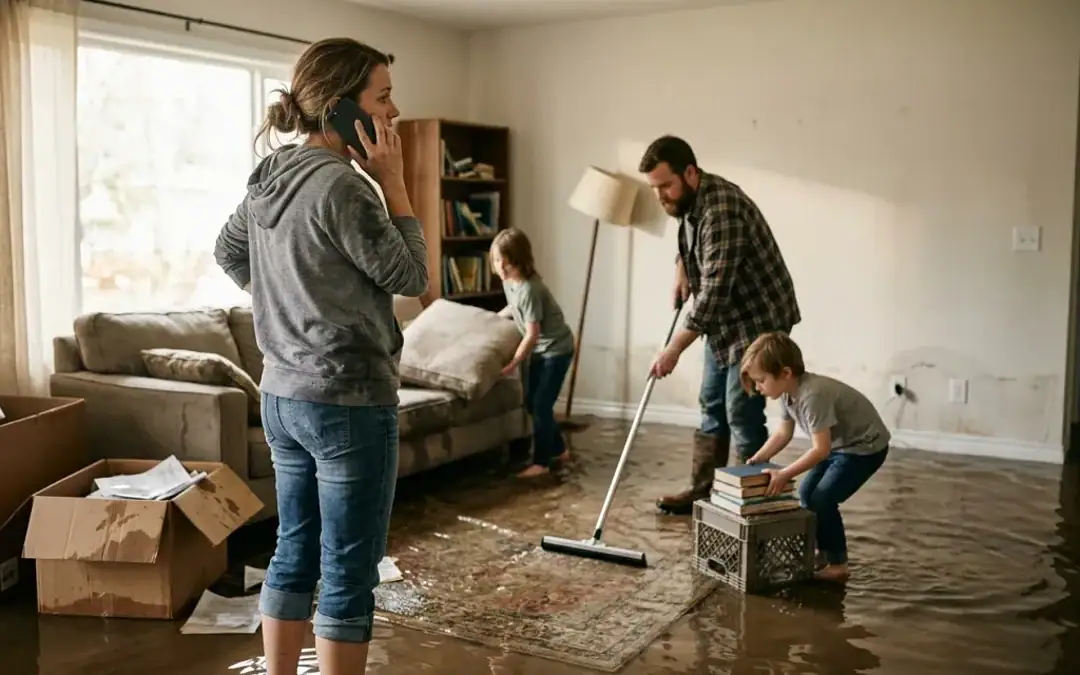
Water damage is one of the most common and costly problems homeowners face. Whether it’s caused by a burst pipe, overflowing appliance, severe storm, or hidden plumbing leak, water can spread quickly through your home and cause significant structural damage if not addressed immediately.
The first few hours after water damage occurs are critical. Moisture begins soaking into drywall, flooring, insulation, furniture, and other porous materials almost immediately. Within 24 to 48 hours, mold growth can begin, making cleanup more complicated and potentially affecting your home’s indoor air quality.
Understanding the restoration process can help you make informed decisions, protect your property, and reduce long-term repair costs. This guide explains everything homeowners need to know about water damage restoration—from the initial emergency response to choosing the right restoration company and preventing future incidents.
What Is Water Damage Restoration?
Water damage restoration is the process of removing unwanted water, drying affected areas, cleaning and sanitizing damaged materials, and restoring your home to its pre-loss condition.
While many people think restoration simply means removing standing water, it’s actually a multi-step process that requires specialized equipment and expertise. Professional restoration addresses both visible and hidden moisture to help prevent mold growth, structural deterioration, and recurring problems.
Depending on the severity of the damage, restoration may include:
- Water extraction
- Moisture detection
- Structural drying
- Dehumidification
- Cleaning and sanitizing
- Odor removal
- Mold prevention
- Repair or replacement of damaged materials
The sooner restoration begins, the greater the chance of saving flooring, drywall, cabinetry, furniture, and personal belongings.
Common Causes of Water Damage
Water damage can happen unexpectedly or develop slowly over time. Some of the most common causes include:
Burst or Leaking Pipes
Frozen, corroded, or damaged plumbing pipes can release large amounts of water within minutes, affecting multiple rooms before the leak is discovered.
Appliance Failures
Dishwashers, washing machines, refrigerators, and water heaters are common sources of leaks caused by worn hoses, faulty valves, or aging components.
Roof Leaks
Damaged shingles, clogged gutters, or flashing failures can allow rainwater to seep into attics, ceilings, and walls.
Severe Weather
Heavy rainfall, hurricanes, and flash floods can overwhelm drainage systems and force water into homes through doors, windows, crawl spaces, or foundations.
Overflowing Fixtures
Clogged toilets, sinks, bathtubs, and broken plumbing fixtures can quickly flood bathrooms, kitchens, and surrounding areas.
Foundation Cracks
Water entering through cracks in the foundation or basement walls may go unnoticed until moisture damage becomes extensive.
Understanding Water Damage Categories
Not all water damage carries the same health risks. Restoration professionals classify water into three categories based on contamination levels.
Category 1: Clean Water
Clean water comes from sanitary sources such as broken supply lines or overflowing sinks without contaminants. Although initially safe, clean water can become contaminated if left untreated.
Category 2: Gray Water
Gray water contains contaminants that may cause illness if ingested or exposed to for extended periods. Sources include washing machines, dishwashers, or toilet overflows without solid waste.
Category 3: Black Water
Black water is highly contaminated and poses serious health risks. It typically comes from sewage backups, floodwaters, or standing water exposed to harmful bacteria and chemicals. Professional restoration is essential for these situations.
Water Damage Classes Explained
Restoration professionals also classify water damage based on how much moisture has been absorbed into building materials.
| Class | Description |
| Class 1 | Minimal moisture affecting a small area with limited absorption. |
| Class 2 | Water has spread into walls, carpets, and structural materials. |
| Class 3 | Extensive saturation of ceilings, walls, insulation, and flooring. |
| Class 4 | Deeply absorbed moisture in hardwood, concrete, brick, or specialty materials requiring advanced drying methods. |
Higher classes typically require longer drying times and more specialized equipment.
What to Do Immediately After Water Damage
Your actions during the first few hours can significantly reduce property damage.
Prioritize Safety
If water is near electrical outlets, appliances, or your home’s electrical system, avoid entering affected areas until it’s safe. If necessary, shut off electricity from the main breaker.
Stop the Water Source
If possible, locate and stop the source of the leak by turning off the home’s main water supply or addressing the damaged fixture.
Document Everything
Take clear photos and videos before beginning cleanup. Documentation helps support insurance claims and provides a record of the damage.
Remove Valuable Items
Move electronics, important documents, furniture, rugs, and personal belongings to a dry area whenever it’s safe to do so.
Contact Your Insurance Company
Notify your insurance provider as soon as possible. They can explain your coverage, start the claims process, and recommend next steps.
Begin Drying If Safe
Open windows, improve ventilation, and remove standing water using towels or a wet vacuum if the damage is minor. However, avoid disturbing contaminated water or saturated building materials.
The Water Damage Restoration Process
Professional restoration follows a systematic approach to ensure your home is thoroughly dried and restored.
Inspection and Assessment
Technicians inspect the affected areas, identify the source of water intrusion, determine contamination levels, and use moisture meters and thermal imaging to detect hidden moisture.
Water Extraction
Powerful pumps and extraction equipment remove standing water quickly, reducing further damage and accelerating the drying process.
Drying and Dehumidification
Industrial air movers and dehumidifiers remove moisture trapped inside walls, flooring, and structural materials. Daily moisture readings help confirm that drying is progressing properly.
Cleaning and Sanitizing
Affected surfaces are cleaned and disinfected to remove contaminants, bacteria, and odors. Depending on the water category, antimicrobial treatments may also be applied.
Repairs and Restoration
Once the property is dry, damaged materials may be repaired or replaced. This can include drywall, flooring, insulation, cabinets, trim, paint, and other structural components.
Can You Handle Water Damage Yourself?
Minor spills or small clean-water leaks can often be handled by homeowners if addressed immediately. However, larger incidents usually require professional water damage restoration.
Professional restoration is recommended when:
- Water has affected multiple rooms.
- Drywall or insulation is saturated.
- Water has been standing for more than 24 hours.
- Sewage or floodwater is involved.
- Mold is visible or suspected.
- Structural materials have absorbed moisture.
Attempting major restoration without proper equipment may leave hidden moisture behind, increasing the risk of mold growth and structural damage.
The Hidden Risks of Untreated Water Damage
Water damage isn’t always obvious. Even after surfaces appear dry, moisture may remain trapped behind walls, under flooring, or inside insulation.
Ignoring water damage can lead to:
- Mold growth
- Wood rot
- Structural weakening
- Damaged electrical systems
- Poor indoor air quality
- Unpleasant odors
- Increased repair costs
Addressing moisture early is almost always less expensive than repairing extensive damage months later.
How Long Does Water Damage Restoration Take?
Every restoration project is different, but most follow a similar timeline.
- Initial inspection: Same day
- Water extraction: Several hours
- Drying and dehumidification: 3–5 days
- Cleaning and sanitizing: 1–2 days
- Repairs and reconstruction: Several days to several weeks depending on the extent of damage
Factors such as the type of materials affected, humidity levels, and the severity of the damage can influence the overall timeline.
Does Homeowners Insurance Cover Water Damage?
Insurance coverage depends on the cause of the damage.
Many homeowners policies cover sudden and accidental water damage, such as burst pipes or unexpected appliance failures. However, damage caused by poor maintenance, long-term leaks, or flooding is often excluded unless additional coverage has been purchased.
Reviewing your policy before an emergency occurs can help you understand what’s covered and avoid surprises during the claims process.
How to Prevent Water Damage
While not every incident is preventable, regular maintenance can significantly reduce your risk.
Consider these preventative measures:
- Inspect plumbing regularly for leaks.
- Replace aging appliance hoses.
- Clean gutters and downspouts.
- Maintain your roof.
- Test sump pumps before storm season.
- Install water leak detection devices.
- Know the location of your home’s main water shutoff valve.
- Schedule routine inspections for your water heater and HVAC system.
Preventative maintenance is often far less expensive than emergency restoration.
Frequently Asked Questions
How quickly should water damage be addressed?
Immediately. Prompt action helps reduce structural damage, prevents mold growth, and improves the likelihood of salvaging building materials and personal belongings.
Can mold grow after water damage?
Yes. Mold can begin developing within 24 to 48 hours when moisture remains trapped in building materials.
Can hardwood floors be saved?
In many cases, yes. Fast water extraction and professional drying may prevent permanent damage, though severely warped or deteriorated flooring may need replacement.
Is water damage always visible?
No. Moisture often hides behind drywall, under flooring, inside ceilings, or within insulation, making professional moisture detection important after significant water intrusion.
Final Thoughts
Water damage can happen with little warning, but how quickly you respond can make a significant difference in the outcome. Understanding the restoration process, recognizing the signs of hidden moisture, and acting early can help minimize repair costs and protect your home’s long-term value.
While some minor incidents can be handled with prompt cleanup, extensive water damage often requires specialized equipment and professional expertise to ensure every affected area is properly dried and restored. Leaving moisture behind—even when surfaces appear dry—can create problems that are far more costly to address later.
If your home experiences water damage, don’t wait for visible issues to become larger ones. Having the property assessed by an experienced water damage restoration professional can provide peace of mind, identify hidden moisture, and help you restore your home safely and efficiently. Acting quickly today can help prevent much bigger problems tomorrow.