
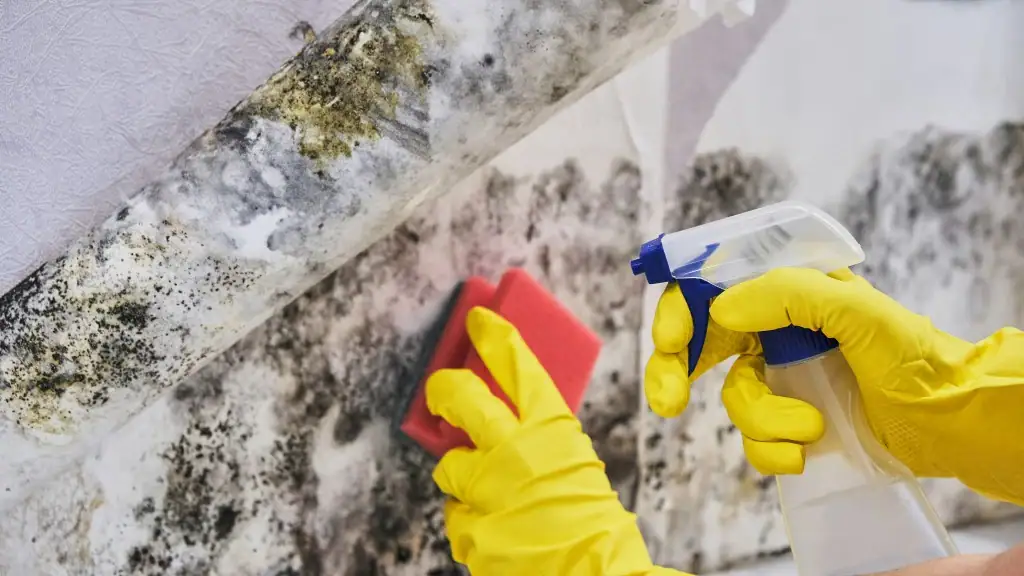
If you’ve discovered mold in your home, you’ve probably come across the terms mold removal and mold remediation. At first glance, they sound like they mean the same thing—but they’re actually very different approaches to addressing a mold problem.
Understanding the difference is important because it can affect the health of your home, the effectiveness of the cleanup, and whether the mold is likely to return. While “mold removal” is a term many homeowners search for online, “mold remediation” is the process that restoration professionals use to address the underlying cause of mold growth.
Here’s what every homeowner should know before deciding how to handle a mold problem.
What Is Mold Removal?
The term mold removal generally refers to cleaning or removing visible mold from surfaces. This might involve wiping away mold with a cleaning solution or removing an affected material, such as drywall or carpeting.
While surface cleaning may improve the appearance of the affected area, it doesn’t always solve the problem.
Mold is often only the visible sign of a larger moisture issue. Spores can spread through the air and settle in hidden areas, including behind walls, beneath flooring, inside insulation, and around HVAC systems. If the source of the moisture isn’t addressed, mold is likely to return.
For that reason, simply removing visible mold isn’t usually enough for long-term protection.
What Is Mold Remediation?
Mold remediation is a more comprehensive process that focuses on identifying the source of the mold, containing the affected area, addressing excess moisture, removing contaminated materials when necessary, and restoring a healthy indoor environment.
Rather than treating only what can be seen, remediation addresses the conditions that allowed mold to grow in the first place.
Depending on the extent of the damage, a mold remediation project may include:
- Inspecting the affected areas
- Identifying the source of excess moisture
- Containing mold to reduce the spread of spores
- Removing unsalvageable materials
- Cleaning and treating salvageable surfaces
- Drying the structure thoroughly
- Repairing or replacing damaged building materials
In many cases, water damage restoration is an important part of mold remediation because lingering moisture is often the root cause of the problem.
Why the Difference Matters
Imagine a bathroom ceiling develops mold after a slow plumbing leak.
Cleaning the visible mold may improve its appearance for a short time, but if the leak continues or moisture remains trapped above the ceiling, the mold will likely return.
A proper remediation process looks beyond the visible damage. It identifies the leak, corrects the moisture issue, dries the affected materials, and removes contamination where necessary. Only then can repairs begin.
That’s the difference between treating a symptom and addressing the cause.
What Causes Mold to Return?
Mold doesn’t appear without moisture.
Some of the most common causes include:
- Plumbing leaks
- Roof leaks
- Appliance failures
- Flooding
- High indoor humidity
- Poor ventilation
- Condensation around windows or pipes
Even a small leak can create enough moisture for mold to develop if it’s left unresolved.
That’s why prompt water removal and water restoration are often critical after a leak or flood. Drying the affected materials thoroughly can significantly reduce the likelihood of mold developing in the first place.
Can You Remove Mold Yourself?
Small amounts of mold on hard, non-porous surfaces may sometimes be cleaned safely if the moisture source has already been corrected.
However, larger mold problems or mold affecting porous materials often require a more comprehensive approach.
Attempting to clean extensive mold without proper containment can disturb spores and spread them to other parts of the home.
If mold continues returning after cleaning, there’s a good chance the underlying moisture issue hasn’t been resolved.
Why Water Damage and Mold Often Go Hand in Hand
Mold is rarely the original problem.
More often, it develops after water has entered the home and wasn’t completely removed.
Whether the moisture came from a burst pipe, roof leak, overflowing appliance, or flood damage cleanup project, any water left behind can create ideal conditions for mold growth.
Professional water damage repair doesn’t just restore damaged materials—it also helps eliminate hidden moisture that can lead to future mold problems. Addressing both water damage and mold together is often the most effective way to prevent recurring issues.
What Happens During Professional Mold Remediation?
Every property is different, but most remediation projects follow a similar process.
The first step is identifying where the moisture is coming from. Without resolving the source, mold is likely to return regardless of how thoroughly it’s cleaned.
Next, affected areas may be isolated to help prevent spores from spreading to other parts of the home during cleanup.
Damaged materials are then evaluated to determine what can be cleaned and what should be removed. Once the area has been properly dried and cleaned, any necessary construction services can restore walls, ceilings, flooring, or other building materials that were removed during remediation.
The goal isn’t simply to make the mold disappear—it’s to restore a clean, dry, and healthy living environment.
How to Help Prevent Mold in Your Home
While mold can’t always be prevented, homeowners can reduce the risk by controlling moisture.
Some simple preventative measures include:
- Repair plumbing leaks promptly.
- Address roof leaks before water enters the home.
- Maintain proper ventilation in bathrooms and kitchens.
- Use exhaust fans where appropriate.
- Monitor indoor humidity levels.
- Inspect areas that have experienced previous water damage.
- Dry wet materials as quickly as possible after leaks or flooding.
Routine maintenance and early action are often the most effective ways to avoid larger mold problems later.
Final Thoughts
Although the terms are often used interchangeably, mold removal and mold remediation are not the same. Removing visible mold may temporarily improve the appearance of a surface, but true mold remediation focuses on identifying the source of the moisture, stopping mold from spreading, and restoring a healthier indoor environment.
Because mold is frequently the result of unresolved water intrusion, addressing the underlying cause is just as important as cleaning the visible growth. In many cases, that means combining water restoration, water damage repair, and any necessary repairs to ensure the problem doesn’t return.
If you’ve noticed recurring mold, musty odors, or signs of moisture in your home, don’t wait for the problem to spread. Contact us today to schedule a professional mold remediation assessment and let our team identify the source of the problem before it leads to more extensive damage.