
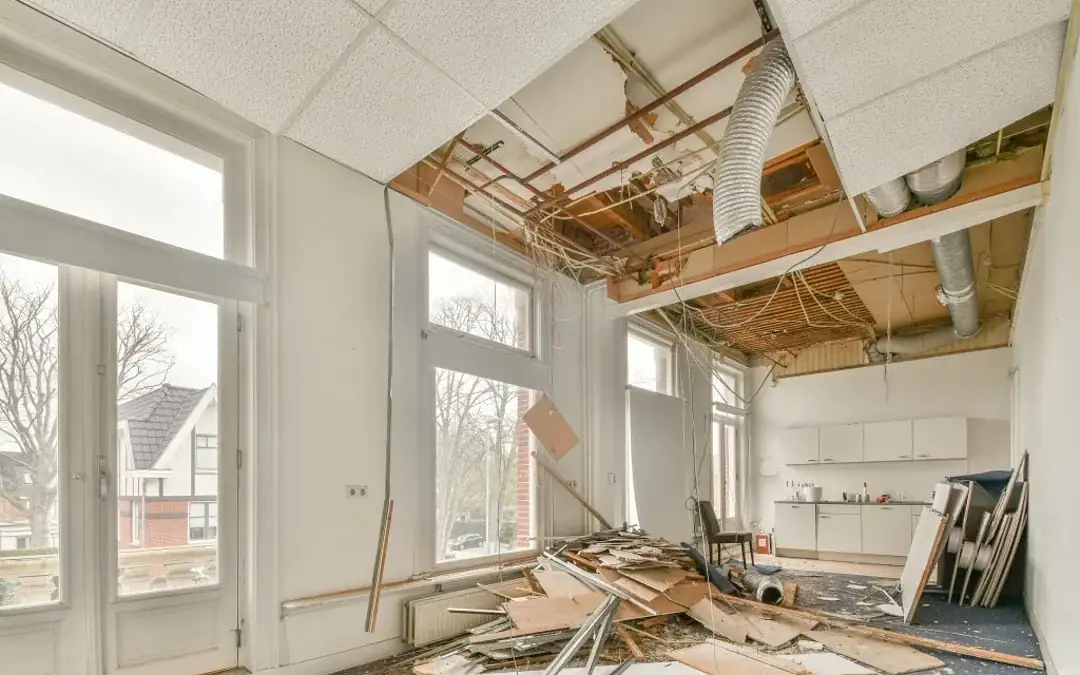
Experiencing a fire, flood, storm, or other property emergency can leave you with more questions than answers. Once you’ve made the decision to call a restoration company, it’s natural to wonder what happens next.
While every restoration project is unique, the overall process follows a series of carefully planned steps designed to protect your property, minimize additional damage, and restore your home as safely and efficiently as possible.
Understanding what to expect can help you feel more confident throughout the restoration process.
Step 1: The Initial Call
The restoration process begins with a conversation.
During your initial call, you’ll typically be asked a few questions to better understand the situation, including:
- What happened?
- When did the damage occur?
- Is the property safe to enter?
- Has the source of the damage been stopped?
- Are there any immediate safety concerns?
This information helps determine the urgency of the situation and allows the restoration team to arrive prepared with the appropriate equipment.
For emergencies such as water damage restoration, fire damage restoration, or flood damage cleanup, a rapid response can significantly reduce additional property damage.
Step 2: Emergency Response and Property Stabilization
Once the team arrives, the first priority is protecting your property from further damage.
Depending on the situation, this may include:
- Emergency water removal
- Temporary fire board-up
- Roof tarping after storm damage
- Securing damaged windows or doors
- Removing safety hazards
- Extracting standing water
These immediate measures help stabilize the property while a more detailed restoration plan is developed.
Step 3: A Thorough Damage Assessment
Before restoration begins, the property is carefully inspected.
This assessment helps determine:
- The extent of structural damage
- Hidden moisture behind walls and flooring
- Smoke or soot contamination
- Areas affected by mold
- Materials that can be restored
- Materials that require replacement
Because no two restoration projects are alike, this evaluation forms the foundation of the entire recovery plan.
Step 4: Creating a Restoration Plan
Once the inspection is complete, a restoration strategy is developed based on the property’s specific needs.
Depending on the type of damage, the plan may include:
- Water restoration
- Water damage repair
- Smoke damage cleaning
- Mold remediation
- Structural drying
- Odor removal
- Debris removal
- Cleaning and sanitizing
- Construction services
You’ll have a clearer understanding of the work involved, the expected timeline, and the next steps before major restoration begins.
Step 5: Removing Water and Drying the Structure
If water is present, removing it quickly becomes a top priority.
Professional water removal eliminates standing water, while commercial drying equipment targets moisture trapped inside walls, flooring, insulation, and other structural materials.
Although surfaces may appear dry, hidden moisture can remain for days if not properly addressed. Thorough drying helps reduce the risk of structural damage and future mold growth.
Step 6: Cleaning, Sanitizing, and Deodorizing
Once the property is dry and stable, the cleaning process begins.
Depending on the source of the damage, this may involve:
- Smoke damage cleaning
- Soot removal
- Odor removal
- Sanitizing affected areas
- Cleaning salvageable belongings
- Removing debris
The goal is not only to improve the appearance of the home but also to restore a clean and healthy living environment.
Step 7: Repairs and Reconstruction
Some homes require only minor repairs, while others need more extensive rebuilding.
This stage may include:
- Drywall replacement
- Flooring installation
- Cabinet repairs
- Painting
- Ceiling repairs
- Roof replacement
- Roofing installation
- Exterior restoration
- Complete construction services
The scope of work depends on the severity of the damage and which building materials can be salvaged.
Step 8: Final Inspection
Before the project is considered complete, the restored areas are reviewed to ensure all work has been completed according to the restoration plan.
This final walkthrough allows homeowners to ask questions, review the completed work, and confirm that the property is ready to be safely occupied again.
Will Insurance Be Part of the Process?
In many situations, yes.
When damage is caused by a covered event, restoration professionals often work alongside insurance adjusters by providing:
- Damage documentation
- Moisture readings
- Photographs
- Detailed estimates
- Restoration reports
This documentation can help support the claims process and provide a clearer picture of the work required to restore the property.
How Long Does Restoration Take?
There’s no single timeline for every project.
The restoration process depends on several factors, including:
- The type of damage
- How quickly restoration begins
- The size of the affected area
- The amount of structural damage
- Drying time
- Material availability
- Reconstruction needs
Some projects may take only a few days, while others involving significant structural repairs may take several weeks or longer.
Final Thoughts
The restoration process is about more than repairing damaged materials—it’s about helping homeowners recover after an unexpected event with as little disruption as possible. From the initial assessment to the final repairs, every step is designed to restore your property safely while preventing additional damage along the way.
Whether you’re dealing with water, fire, mold, or storm damage, professional restoration services provide the expertise, equipment, and experience needed to return your home to its pre-loss condition. If your property has been damaged, contact us today to schedule an assessment and let us help you begin the restoration process with confidence.